
How to Conduct Effective Event Security Patrols: A Step-by-Step Guide
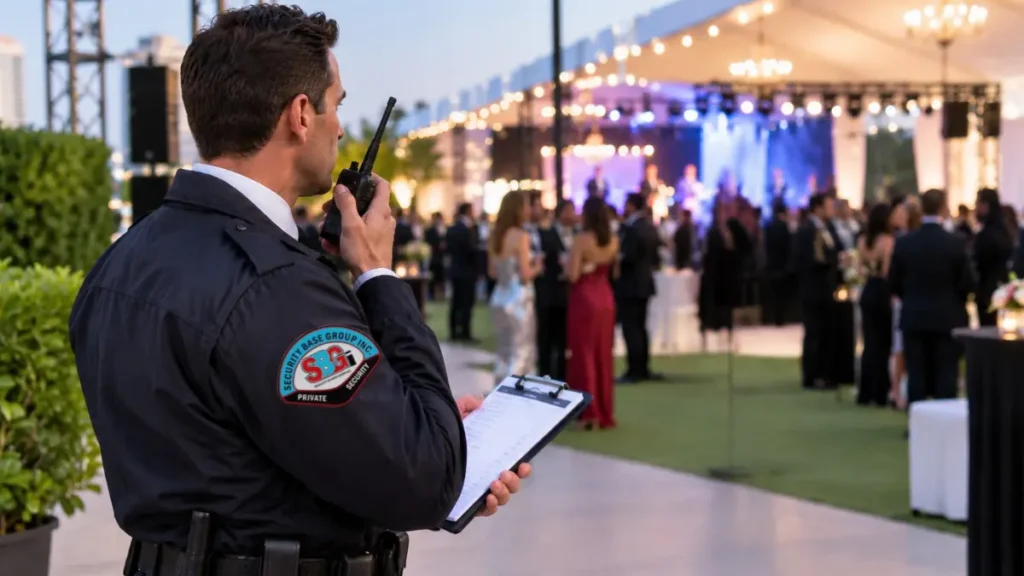
Event security is rarely about standing in one spot and watching. Entrances fill and empty in waves, crowds shift toward stages and food areas, vendors move equipment through restricted zones, and weather or schedule changes can alter the risk picture within minutes. Guards who rely on habit instead of active observation tend to miss the small details that matter most, such as a blocked exit, an unattended bag, or a gate that no longer closes properly.
Good patrolling combines preparation, awareness, communication, and clear records. This guide explains how to conduct effective event security patrols from the first venue walk-through to the final handover, so guards, supervisors, and event organizers can work from the same practical playbook. No patrol can prevent every incident, but a well-planned one improves the odds that hazards and concerns are spotted early and handled properly.
Understand the Event Layout and Security Requirements
Before any patrol begins, guards need a working picture of the venue and the event. Review site maps, post orders, and any instructions from the organizer or venue management. Pay particular attention to:
- Entrances, exits, and evacuation routes: Know where they are, how wide they are, and which ones are meant for guests, staff, or emergency use only.
- Stages, seating areas, backstage zones, and VIP sections: These areas often have different access rules and different crowd pressures.
- Parking areas, loading zones, and restricted spaces: Vendor and delivery traffic can mix with pedestrians here.
- Timings and attendance: Doors-open time, headline acts, intermissions, and expected headcount all shape where attention is needed.
- Environmental hazards: Indoor venues raise concerns about capacity and exit access. Outdoor events add uneven ground, weather exposure, temporary power cabling, and open perimeters. Large-scale events combine all of these with greater crowd density.
Patrol priorities should follow: venue layout, the assessed risks, and the event-specific security instructions, not a generic route copied from a different job.
Create a Practical Event Security Patrol Plan
Learning how to conduct effective event security patrols starts with a plan that every guard on the team understands.
A solid Event Security Patrol plan usually covers the following.
- Patrol zones and responsibilities: Divide the site into zones and name who is responsible for each. Overlap at boundaries so nothing falls between two guards.
- Vulnerable areas and checkpoints: Identify spots that deserve repeat attention, such as unattended side doors, dimly lit walkways, cash-handling areas, backstage entrances, and fence lines. Set checkpoints so guards confirm these areas on purpose rather than by chance.
- Mobile patrols and fixed posts: Fixed posts give consistent coverage at entrances and restricted doors, while mobile guards fill gaps, respond to changes, and provide relief. The two should communicate constantly so each knows what the other is seeing.
- Communication and escalation: Agree on radio channels or phone contacts, check-in intervals, and who gets notified for what. A guard should know the difference between something to log, something to report to a supervisor, and something that calls for immediate emergency assistance.
- Timing around the event flow: Adjust patrol attention around arrivals, peak attendance, breaks, and departures, when crowds and traffic are heaviest.
How often should patrols run? There is no single correct interval. Frequency should depend on the risk level, venue requirements, the size of the area, and how conditions change during the event. A crowded main entrance may need near-constant presence, while a storage corridor might need a check every so often. Supervisors should review and adjust the schedule as the event develops.
Conduct Pre-Event Security Inspections
A walk-through before guests arrive is one of the most valuable patrol activities.
Guards should inspect:
- Access points and gates, including whether they open, close, and lock as intended
- Perimeter barriers and fencing for gaps, damage, or unsafe placement
- Emergency exits, which must be unobstructed and usable
- Lighting along walkways, parking areas, and entrances
- Restricted areas to confirm they are secured and clearly marked
- Temporary structures, such as stages, tents, and barricades, for visible instability or hazards
- Pedestrian routes for trip hazards, loose cables, or blocked paths
Hypothetical example: During a pre-event walk-through, a guard notices that a stack of folding chairs has been left against a side emergency exit. The guard reports the obstruction to the supervisor right away and notes the location and time. The supervisor contacts the venue team, who move the chairs. Before doors open, the guard returns to the exit, confirms it is clear, and records that the issue was resolved. The key point is the follow-up: reporting a problem is only half the job until someone verifies the fix.
Monitor Crowds and High-Traffic Areas During the Event
Once guests arrive, patrols shift from checking static conditions to watching how people and spaces behave.
Focus on:
- Entry queues and congestion: Look for lines that bunch up, spill into roadways, or block other routes.
- Movement near stages, entrances, and narrow walkways: Pressure builds quickly where many people converge.
- Disruptive behavior and escalating disagreements: Early, calm, respectful intervention within your authority can prevent a minor argument from growing.
- Unattended belongings and unusual activity: Treat these as situations to assess and report according to venue procedures, not as proof of wrongdoing.
- Emergency access routes and restricted areas: Confirm that guests, vendors, or equipment have not blocked them.
Strong crowd monitoring depends on calm observation, respectful communication, situational awareness, and adherence to venue procedures. Guards should base concerns on observable behavior and conditions, never on assumptions about who someone is or what they might intend. Profiling is unfair to guests and unreliable as a security method.
Identify Hazards and Respond to Security Concerns
Hazards include anything that could injure someone or disrupt the event: spills, damaged barriers, overcrowded areas, blocked exits, unsafe equipment, or an unauthorized person in a restricted zone.
When a guard finds one, a sound response generally follows this order:
- Assess: the situation from a safe distance, within your training.
- Notify: your supervisor using the agreed communication channel.
- Request emergency assistance: when there is a risk to life, a medical emergency, a fire, or a serious security threat.
- Follow established emergency procedures: the venue and event.
- Record the relevant facts: including time, location, what was observed, and who was told.
- Confirm the handover: so the concern is in the hands of the right person, whether that is venue maintenance, medical staff, or law enforcement.
Guards should not touch or move potentially dangerous items, such as suspicious packages, unknown substances, or damaged electrical equipment. They also should not take actions beyond their training and authorized responsibilities. Staying within those limits protects the guard, the guests, and the integrity of any later investigation.
Document Patrol Findings and Complete Activity Reports
Patrol work that is not recorded is difficult to review, hand over, or defend later.
Useful documentation captures:
- Patrol times and locations
- Areas inspected and relevant observations
- Hazards and access-control concerns identified
- Incidents, actions taken, and people notified
- Follow-up actions and unresolved issues
Well-written Activity Reports are factual, objective, and specific. They state what the guard saw and did, not guesses about motives. Avoid vague phrases like “everything seemed fine” or “a few people were acting strange.”
Illustrative example (not an actual report):
21:15 – North Gate Walkway. During scheduled patrol, observed a coiled extension cable crossing the pedestrian path approximately 10 feet from the north entrance. Placed a guard at the location to redirect foot traffic and notified Supervisor J. at 21:17 by radio. Venue electrician arrived at 21:25 and rerouted the cable along the fence line. Rechecked area at 21:40; path clear. No injuries reported. Issue closed.
Notice the specific times, location, actions, people notified, and confirmation of resolution.
For readers who want more detailed examples and guidance on documenting security activities, see this resource on security guard daily activity reports and reporting best practices.
Maintain Security Coverage After the Event Ends
When the last guest leaves, the risk does not disappear. Post-event patrols help ensure the site is left safe and secure.
Consider these areas:
- Guest departure areas and parking lots: Watch for lingering crowds, impaired drivers, vehicle issues, or lost property.
- Vendor breakdown and equipment removal: Verify that only authorized people are removing items and that routes remain safe.
- Property checks: Confirm doors, gates, and restricted areas are secured, and note any damage.
- Unresolved hazards: Make sure anything flagged during the event has been fixed or formally handed over.
- Shift handovers: Pass along open issues, notes, and key observations to the incoming team or venue contact.
Some situations call for Security Monitoring Overnight, such as multi-day festivals with staged equipment, venues storing valuable gear after hours, or sites that cannot be fully secured when the event closes. Not every event requires it. The decision should come from the risk assessment, the value and vulnerability of what is on site, and the organizer’s requirements.
Common Event Security Patrol Mistakes to Avoid
Even experienced teams slip into avoidable habits. Here are seven to watch for, along with practical fixes.
- Following the same route regardless of conditions: Predictable, inflexible patrols can miss new problems. Fix: Adjust routes and timing as crowd levels, weather, and activities change.
- Overlooking emergency exits and less-visible areas: Back corridors and side doors are easy to forget. Fix: Build them into checkpoints and check them deliberately.
- Failing to communicate significant observations: A concern that stays in one guard’s head helps no one. Fix: Report early, and use agreed escalation steps.
- Writing vague or incomplete Activity Reports: Weak records make follow-up and accountability hard. Fix: Use times, locations, and facts.
- Leaving unresolved hazards without a proper handover: Problems can resurface when the next shift is unaware. Fix: Document open items and confirm someone has accepted responsibility.
- Ignoring crowd movement while completing routine checks: Staring at a clipboard or phone can mean missing a developing crush or conflict. Fix: Keep your head up and finish notes during safe pauses.
- Acting outside procedures or training: Well-meant improvisation can create bigger risks. Fix: Know your authority, follow post orders, and call for support.
Event Security Patrol Checklist
Use this as a general reference, and adapt it to the event’s risk assessment, venue procedures, and emergency plan.
- Review venue layouts, post orders, and event-specific instructions
- Confirm assigned patrol zones, checkpoints, and communication methods
- Inspect entrances, exits, barriers, lighting, and restricted areas
- Observe crowd flow and high-traffic locations throughout the event
- Identify hazards and report them through the proper channel
- Keep emergency routes clear and verify any fixes
- Record patrol findings accurately and promptly
- Follow up on unresolved concerns until they are closed or handed over
- Complete end-of-event checks, secure the site, and conduct handovers
Frequently Asked Questions
What is an event security patrol?
It is the planned, ongoing movement of security guards through an event site to observe conditions, check access points, spot hazards, assist guests, and report concerns.
How often should event security guards conduct patrols?
There is no universal interval. Frequency depends on the venue, risk level, crowd size, and changing conditions, and supervisors should adjust it as the event progresses.
What should guards check during an event security patrol?
Key items include entrances and exits, emergency routes, restricted areas, crowd density, barriers, lighting, unattended items, and any hazards or unusual activity that need reporting.
Why are Activity Reports important for event security?
They create an accurate record of what was observed and done, support handovers, help supervisors and organizers review events, and provide documentation if questions arise later.
Are security patrols necessary after an event ends?
Often, yes. Guests are still leaving, vendors are breaking down, and equipment and property may still be on site. The scope should match the venue’s needs and the risk assessment.
Conclusion
Effective event security patrols come down to a few consistent habits: understand the venue, plan patrols around real risks, stay actively observant, communicate clearly, and write accurate reports. Each of these supports the others. A thorough walk-through is more valuable when you record findings and hand them over, and a good report is only useful if the patrol behind it was thoughtful.
Whether you are a guard, a supervisor, or an organizer, the checklist above can serve as a starting point for your own procedures. Organizers planning events in California can also learn more about event security guards in Los Angeles from Security Base Group.
 Previous Post
 Next Post


