
A Day in the Life of a Professional Security Guard
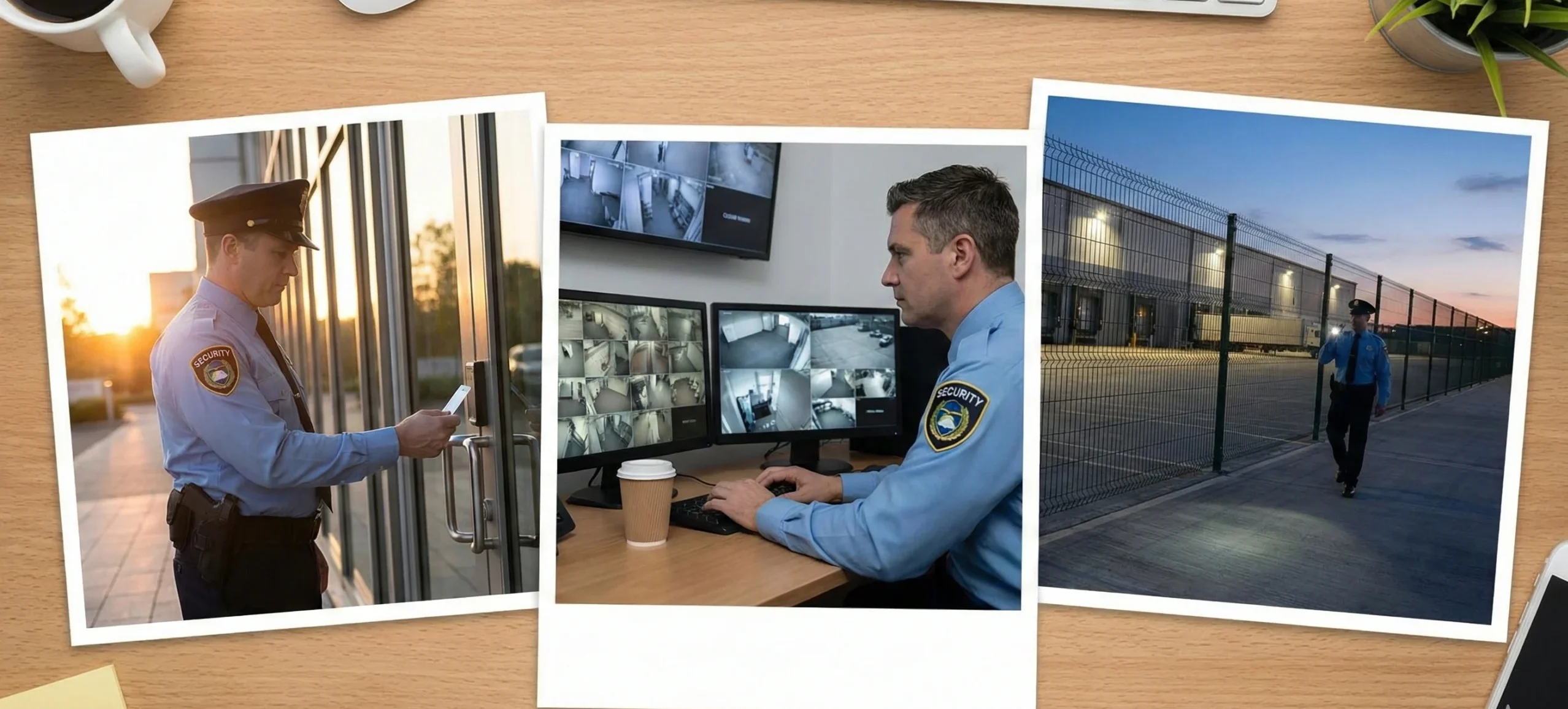
A professional security guard has a very important job that involves keeping people, buildings, and property safe. Many people believe that a security guard only stands at a gate or walks around a building. In reality, the role is much more involved and demanding.
Every day, security guards work to protect offices, shopping malls, hospitals, schools, apartments, and business areas. They prevent crime, assist during emergencies, and ensure that everyone feels safe. In busy cities like Los Angeles, reliable security guard services in los angeles are essential for managing risks, theft, and safety concerns.
A security guard’s day is filled with planning, staying alert, helping others, and being ready to respond to any situation. Let us explore a complete day in the life of a professional security guard to understand what this role truly involves.
Starting the Shift – Daily Preparation of a Professional Security Guard
Every shift begins with preparation. This allows the security guard to know what is happening on the site and identify areas that need attention.
Shift Briefing and Handover from the Previous Security Team
Before starting work, the incoming guard meets with the guard from the previous shift. This process is called a shift handover. During this time, the guard learns about:
- Any problems or incidents that occurred earlier
- Visitors or suspicious individuals
- Areas that need special attention
- Safety issues such as broken lights or doors
Sharing this information ensures that security remains strong throughout the day without any gaps.
Equipment Check, Uniform Inspection, and Readiness
The guard then checks all essential tools, including:
- Radio or mobile phone
- Flashlight
- Access to the CCTV system
- Keys and identification cards
They also make sure that their uniform is neat and professional. Being well-prepared allows the guard to respond quickly to any situation that arises.
Morning Duties – Patrols, Surveillance, and Access Control
The morning is usually busy as people arrive for work, deliveries arrive, and buildings open for the day.
Foot Patrols and Perimeter Security Checks
Security guards walk around the property to:
- Inspect doors and windows
- Observe for unusual activity
- Ensure that everything is safe and secure
These patrols help prevent small issues from becoming serious problems.
Monitoring CCTV Cameras and Alarm Systems
Many guards spend part of their day watching security camera screens. They focus on:
- Unidentified individuals entering restricted areas
- Fights, accidents, or disturbances
- Suspicious movements or activities
Modern security relies heavily on technology combined with careful human observation.
Managing Entry Points and Verifying Visitor Access
Guards manage entry into the building by:
- Checking identification cards
- Registering visitors
- Guiding guests to their correct destination
This process keeps the workplace safe and organized.
Midday Responsibilities – Maintaining Safety and Handling Incidents
As the day progresses, the security guard continues monitoring the area, helping people, and staying alert.
Observing Suspicious Activity and Preventing Security Threats
A professional guard remains aware of their surroundings at all times. They notice:
- People behaving unusually
- Vehicles parked too long or in the wrong areas
- Unauthorized attempts to enter restricted areas
Taking prompt action can prevent theft, property damage, or other dangers.
Responding to Emergencies and Disturbances
If an incident occurs, security guards are often the first to respond. This may include:
- Assisting injured individuals
- Breaking up arguments or conflicts
- Contacting the police or ambulance services
- Securing areas that may be dangerous
Maintaining calm and professional behavior helps manage stressful situations effectively.
Writing Daily Security Reports and Incident Logs
Guards document everything important, including:
- Patrol times and locations
- Visitor entries and exits
- Any problems or accidents observed
These reports are vital for tracking security and improving safety procedures.
Afternoon Tasks – Customer Service and Site Monitoring
Security work also includes helping people and ensuring smooth operations.
Assisting Visitors, Employees, and Clients
Guards often:
- Provide directions
- Answer questions
- Help visitors who are lost or need guidance
A friendly and approachable guard creates a safe and welcoming environment.
Coordinating with Supervisors and Security Control Rooms
Guards maintain communication with their team using radios or phones. They share updates regarding:
- Any ongoing issues
- Safety concerns
- Important activities or events
Effective teamwork ensures the entire area remains protected.
Evening and Night Shift Duties of a Security Guard
As businesses close for the day, security becomes even more critical.
Securing Buildings, Offices, and Restricted Areas After Hours
Guards make sure all doors are locked, unnecessary lights are turned off, and no unauthorized individuals remain inside.
They double-check:
- Storage and supply rooms
- Parking areas
- Emergency exits
Night Patrols and Increased Risk Monitoring
During nighttime, fewer people are present, which can increase security risks. Guards must stay highly alert for:
- Trespassers attempting to enter the property
- Theft attempts
- Damage to property
This is the time when reliable security in Los Angeles proves to be most valuable.
End of Shift – Final Security Checks and Shift Handover Process
Completing Daily Activity Reports and Incident Summaries
Before finishing their shift, the guard writes a detailed report of the day’s activities. This helps maintain a record of security history and assists in improving safety measures.
Briefing the Next Security Guard on Site Conditions
The guard informs the next shift about:
- Any incidents that occurred
- Areas that need continued attention
- Special instructions for the following shift
This ensures that protection remains continuous without any gaps.
Key Skills Every Professional Security Guard Uses Daily
Observation and Situational Awareness
Guards must notice details that others may overlook. This ability helps prevent problems before they escalate.
Communication and Conflict Resolution Skills
Clear communication and calm behavior allow guards to resolve conflicts safely and efficiently.
Emergency Response and Decision-Making Abilities
Guards must act quickly and wisely in dangerous situations to protect people and property.
Training and Certifications Required for Professional Security Guards
Basic Security Guard Licensing and Compliance
Most security guards are required to complete training programs and pass background checks before they can start working.
First Aid, Emergency Response, and Specialized Training
Many guards learn CPR, fire safety, and emergency evacuation procedures. Professional security guard companies in Los Angeles often provide additional training to improve skills and service quality.
Common Challenges Faced in a Security Guard’s Daily Routine
- Working long hours
- Maintaining alertness during quiet periods
- Managing difficult individuals
- Dealing with physical fatigue
Even with these challenges, many guards take pride in the work they do to protect others.
Rewards and Career Growth Opportunities in the Security Industry
Job Stability and Professional Development
Security work is always in demand. Skilled guards can find steady employment and gain experience over time.
Advancing to Supervisory and Specialized Security Roles
With experience, guards can move into supervisory positions, become armed officers, or take on management roles. Leading security services in Los Angeles frequently promote guards who demonstrate skill and professionalism.
Why Professional Security Guards Are Essential for Safety and Protection
Security guards help to:
- Prevent criminal activity
- Respond effectively to emergencies
- Protect both people and property
- Ensure a safe environment for everyone
A strong security guard company in Los Angeles supports businesses and communities by providing professional protection. Trust plays a crucial role in maintaining safety throughout the city.
Conclusion – Understanding the Real Life of a Professional Security Guard
A professional security guard does much more than simply watch over a property. Their day involves planning the shift, patrolling, assisting people, responding to emergencies, and writing reports. Their role carries a high level of responsibility.
Good security ensures that workplaces remain safe and protects lives. Whether during the day or at night, trained guards work diligently to prevent danger before it happens.
 Previous Post
 Next Post

