
Most Common Situations Security Guards Handle Daily
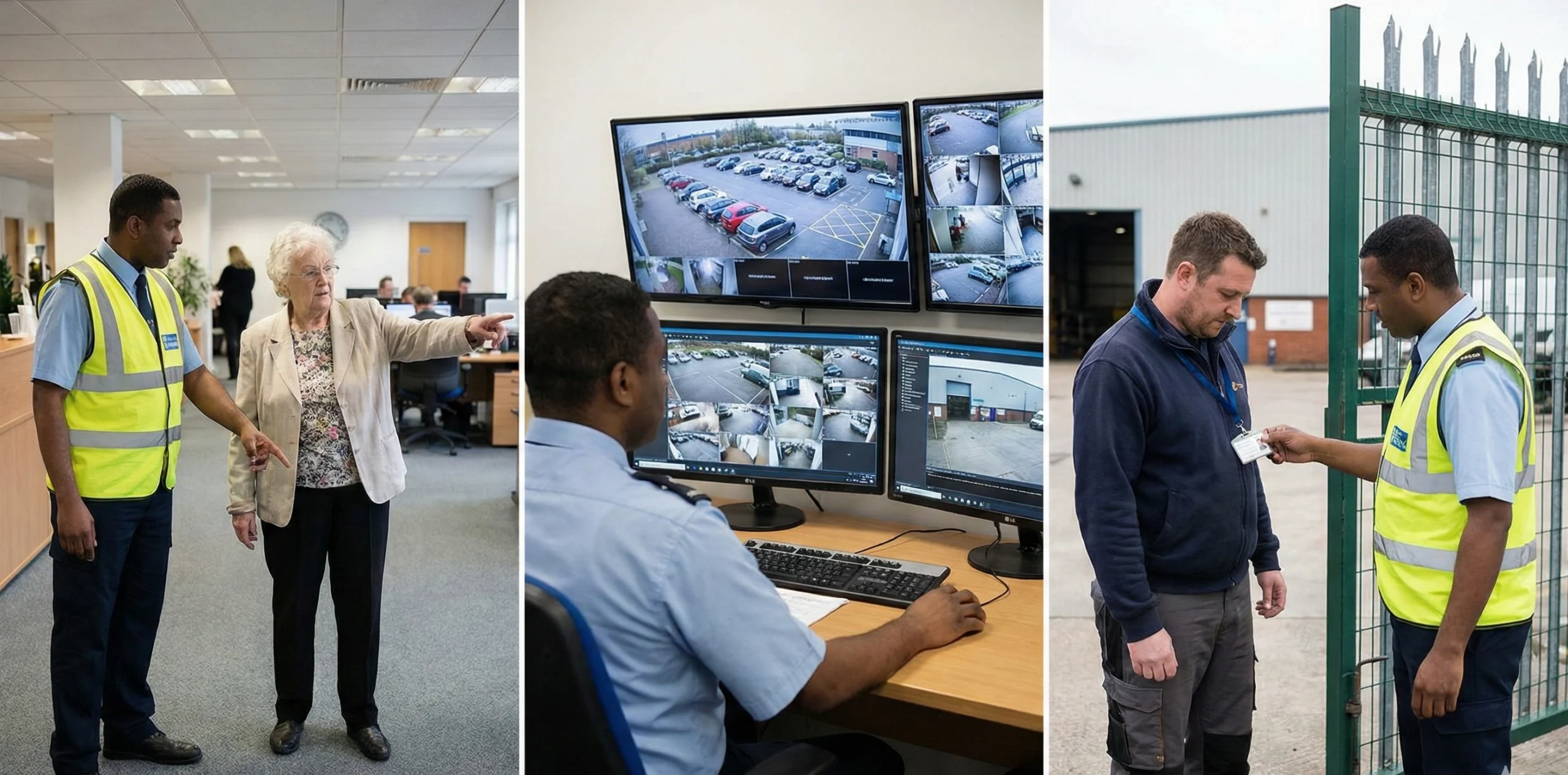
Security guards play a very important role in keeping people and properties safe in Los Angeles. They work in many different places such as offices, shopping malls, hospitals, schools, and events. Their work is not only about keeping an eye on things but also helps people, responding to emergencies, and preventing problems before they happen. Anyone who is looking for security guard services in Los Angeles can understand why hiring a trained and professional team is so important by learning about their daily responsibilities.
A normal day for a security guard includes checking visitors, patrolling the property, watching security cameras, reporting incidents, and helping during emergencies. Even though these tasks may seem simple, they require being alert, patient, and properly trained. By performing these duties carefully every day, security guards make sure that everyone in the area stays safe.
If you are searching for a security guard company in Los Angeles, you want a team that is dependable, trained, and ready to handle different situations that happen every day. Security is not only about being present; it is about being prepared to respond to anything that might happen.
Core Daily Responsibilities of Security Guards Across All Locations
Access Control and Visitor Screening Procedures
One of the most important duties of security guards is controlling who comes into and goes out of a property. This involves checking identification cards, visitor passes, and delivery documents. Guards also make sure that unauthorized people cannot enter restricted areas. This process is necessary to prevent theft, vandalism, or accidents.
Key points about access control:
- Check visitor or employee identification.
- Inspect vehicles at the entrance gates.
- Provide temporary visitor badges.
- Escort visitors to secure areas when needed.
Proper access control keeps everyone safe and ensures that only authorized people are allowed on the property.
Routine Patrolling and Perimeter Monitoring
Security guards regularly walk or drive around the property to watch for anything unusual. Patrolling allows them to notice suspicious activity, hazards, or other safety concerns. Regular patrols can stop problems before they occur.
Daily patrol tips:
- Check doors, windows, and locks.
- Inspect hallways, parking lots, and rooftops.
- Change patrol routes so they are not predictable.
- Watch the surroundings carefully for any unusual signs.
Patrolling is a simple but very effective way to maintain security in any place.
CCTV Monitoring and Alarm System Response
Many security guards spend part of their day watching surveillance cameras and responding to alarms. They are trained to recognize unusual behavior and contact authorities when necessary.
Key points:
- Watch live CCTV feeds carefully.
- Respond quickly when alarms are triggered.
- Review recorded footage if an incident occurs.
- Inform supervisors about anything unusual.
This role helps prevent theft, unauthorized access, and other safety hazards.
Most Common Situations Security Guards Handle During Daily Shifts
Unauthorized Entry Attempts and Restricted Area Breaches
Sometimes people try to enter areas without permission. Security guards need to act quickly to stop them. These situations can occur after hours or during busy times.
Steps guards take:
- Check identification and credentials.
- Politely refuse entry if the person is not authorized.
- Notify supervisors if needed.
Handling unauthorized entry correctly protects both people and property.
Identifying and Managing Suspicious Behavior
Guards are trained to spot behavior that does not seem normal. This could include people loitering, hiding items, or acting nervously.
Actions guards take:
- Watch and assess the situation carefully.
- Report any suspicious behavior.
- Contact law enforcement if required.
This helps stop possible threats before they become bigger problems.
Crowd Control and Managing Large Groups Safely
In events, malls, or busy offices, guards help manage crowds to prevent accidents or conflicts.
Tips for crowd management:
- Direct people safely through the area.
- Monitor crowded spaces continuously.
- Use de-escalation methods when needed.
- Keep emergency exits clear at all times.
Proper crowd control keeps everyone safe and reduces the risk of accidents.
Handling Theft, Shoplifting, and Property Crimes
Security guards prevent and respond to theft in stores and office buildings.
Steps they follow:
- Watch for suspicious actions.
- Intervene according to company rules.
- Report incidents to management or the police.
Preventing and responding quickly to theft helps reduce losses and maintain trust.
Resolving Conflicts and Verbal Disputes Professionally
Guards often deal with arguments between visitors, employees, or customers.
Key techniques:
- Stay calm and do not take sides.
- Speak clearly and politely.
- Resolve the situation safely without causing escalation.
Managing conflicts professionally keeps environments safe and organized.
Responding to Medical Emergencies and Accidents
Guards may be the first people to help in accidents or health emergencies.
They usually:
- Provide basic first aid.
- Call for medical assistance.
- Help victims safely.
Quick action can save lives and reduce injuries.
Managing Intoxicated or Unstable Individuals
In public events or busy areas, guards may face people who are drunk or have mental health issues.
Steps to handle these situations:
- Remain calm and keep a safe distance.
- Speak clearly and calmly.
- Ask for backup if the situation becomes risky.
Managing these situations properly ensures safety for everyone.
Handling Lost Persons and Missing Children Situations
In crowded places, children or adults may become lost.
Security actions include:
- Alert staff immediately.
- Help search the area safely.
- Stay with the person until they are reunited with their family or guardian.
Quick and careful actions provide safety and peace of mind.
Emergency and High-Risk Situations Security Guards Face Daily
Fire Alarms, Evacuations, and Safety Procedures
Guards assist during fires or other emergencies by guiding people out of buildings safely.
Steps include:
- Warn everyone in the area.
- Follow emergency evacuation plans.
- Help people with mobility problems.
- Communicate with fire department staff.
Being prepared reduces risks during emergencies.
Suspicious Packages and Security Threat Alerts
Guards respond to reports of suspicious or unattended items.
Steps to ensure safety:
- Do not touch the items.
- Clear the area around the item.
- Inform authorities immediately.
Following these procedures prevents accidents or harm.
Natural Disasters and Facility Safety Management
Guards also respond to natural disasters such as storms or earthquakes.
Their tasks include:
- Monitor potential risks.
- Help organize evacuations.
- Support emergency personnel.
Being prepared helps reduce damage and protect people.
Safety Hazards and Environmental Risks: Security Guards Monitor Daily
Guards also watch for dangers that could cause accidents. This can include wet floors, broken lights, or blocked exits.
Tips for safety monitoring:
- Report hazards right away.
- Take actions to prevent accidents.
- Check high-risk areas regularly.
Paying attention to environmental risks keeps everyone safe.
Incident Reporting and Daily Security Documentation
Daily Activity Logs and Patrol Reports
Guards write down everything they do during their shift, including patrols, incidents, and visitor information.
Importance:
- Keeps track of daily activities.
- Provides official records.
- Helps improve future security operations.
Writing Accurate Incident and Emergency Reports
Detailed reports are necessary for investigations.
Guidelines:
- Include all facts and details.
- Avoid guessing or assuming.
- Submit reports to supervisors on time.
Accurate reporting ensures accountability and transparency.
Skills and Training Security Guards Use to Handle Daily Situations Effectively
Security guards use many skills every day:
- Observation skills to notice unusual activity.
- Communication skills to interact with visitors and staff.
- Conflict resolution to handle disagreements.
- First aid and emergency response skills.
- Situational awareness to anticipate possible problems.
Proper training helps guards handle daily situations confidently and professionally.
How Daily Security Situations Differ by Industry and Location
Corporate and Office Buildings
The main focus is on controlling access, managing visitors, and monitoring security systems.
Retail Stores and Shopping Centers
Guards face high foot traffic, theft prevention, crowd management, and lost property situations.
Hospitals and Healthcare Facilities
Medical emergencies, patient disagreements, and privacy-sensitive situations need careful handling.
Events, Hotels, and Entertainment Venues
Crowd control, alcohol-related issues, and emergency evacuations are major responsibilities.
Common Challenges Security Guards Face in Daily Operations
Guards often work long hours and handle stressful situations. They must have patience, stay alert, and be properly trained to manage challenges safely.
Some challenges include:
- Feeling tired from long shifts.
- Managing stress from tense situations.
- Handling aggressive individuals.
- Dealing with misunderstandings about their role.
Why Professional Security Guards Are Essential for Daily Safety and Risk Prevention
Professional security guards make places safer, reduce risks, and help maintain order. For businesses and properties in Los Angeles, hiring a security guard company in Los Angeles guarantees that trained personnel are available to respond to any situation.
Benefits:
- Prevent theft and property damage.
- Ensure fast response to emergencies.
- Keep employees, visitors, and customers safe.
Conclusion – Understanding the Daily Impact of Security Guards on Public Safety
Security guards handle many different situations every day, including routine patrols, emergencies, and conflicts. Their work keeps people safe and protects property. Choosing the right security services in Los Angeles ensures trained professionals can manage daily challenges effectively.
 Previous Post
 Next Post

