
Santa Ana Wind Security Prep for Los Angeles Businesses: Protect Your Property and People
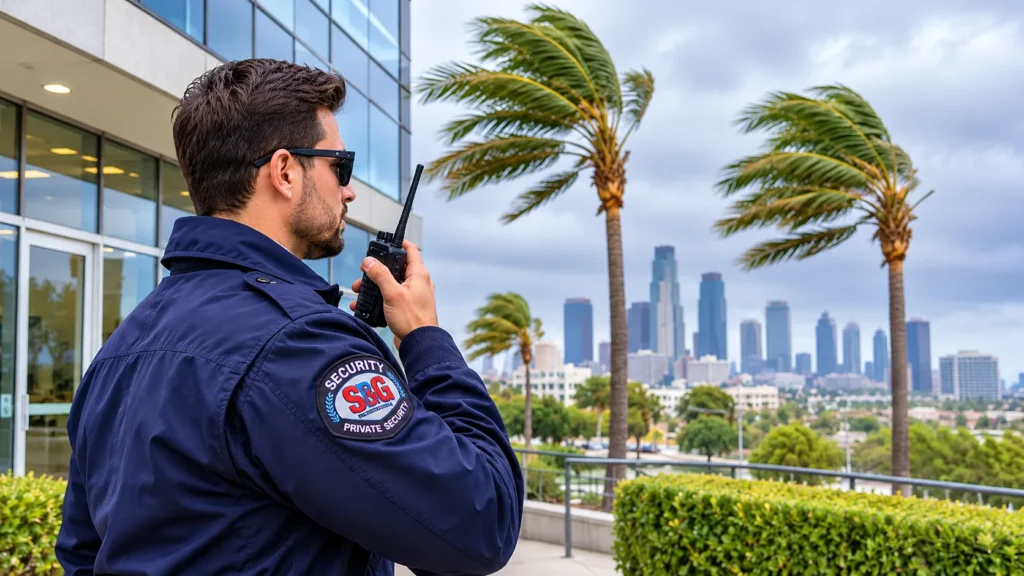
Introduction: Why Santa Ana Winds Create Serious Security Challenges for LA Businesses
Santa Ana winds are strong, dry winds that blow from the inland deserts toward the Southern California coast. The National Weather Service describes them as hot, dust-carrying winds that descend on the coast around Los Angeles. They are most common from fall through spring, and one event can last several days.
Most public attention goes to fire danger, and that concern is justified. For a business, though, the wind itself creates a separate set of problems. A fence panel tears loose. A vehicle gate stops latching. A power outage takes down cameras and electronic locks. Each of these is a gap, and gaps are where theft and unauthorized entry happen.
That is why Santa Ana wind security prep for Los Angeles businesses should start well before a wind advisory is issued. This article covers where the security weak points usually are and how to prepare, operate, and recover. It stays focused on protecting property and people. Wildfire response and evacuation decisions belong to fire agencies and emergency officials. The scenarios below are illustrations, not accounts of real incidents or client cases.
What Makes Santa Ana Winds a Unique Threat to Business Security
Santa Ana winds form when high pressure builds over the interior West, and air flows toward lower pressure near the coast. As that air funnels through mountain passes and canyons, it speeds up. It also warms and dries as it drops in elevation, so the winds often arrive with very low humidity. The result is strong gusts, dust, and fast-changing outdoor conditions, with debris collecting around doors and camera lenses.
Different properties face different exposure:
- Office buildings: Glass entryways, parking structures, and rooftop equipment take the brunt. A lobby door that won’t close properly is an easy entry point.
- Warehouses and industrial sites: Roll-up doors, loading docks, and open yards with pallets or trailers are hard to keep secure in strong gusts.
- Retail properties: Signage, outdoor displays, and shared parking lots are vulnerable, and staff often leave early when conditions worsen.
- Construction sites: Temporary fencing, scaffolding, material stockpiles, and site trailers can shift or fail, so a perimeter that was solid on Friday may have gaps on Monday.
Ordinary daily routines weren’t built for this. A normal opening checklist won’t catch a bent gate track or a camera knocked out of alignment overnight. During a severe wind event, businesses need a short-term plan that adjusts patrol timing, access rules, and communication.
Key Risks: Property Damage, Power Outages, and Opportunistic Crime
Three risks tend to overlap during Santa Ana wind events.
Physical Property Damage and Unsecured Outdoor Areas
Wind damage is usually the first problem, and it often becomes the first security problem.
Typical examples include:
- Cracked windows and storefront glass
- Fence sections pushed over, or gate hardware bent out of line
- Fallen branches or debris blocking doors, lanes, or camera views
- Outdoor furniture, waste containers, and loose materials thrown around
- Damaged signs, awnings, and exterior lighting
- Weakened loading areas and parking structure barriers
Damage is not only a repair issue. A broken gate no longer controls vehicle access. A downed light leaves a dark corner. A displaced dumpster against a fence can make it easier to climb. Treat every physical failure as a security gap until it’s fixed or covered.
Power Outages and Security System Disruptions
High winds can damage power lines, and utilities may also shut off power in some situations. Ready.gov notes that outages can disrupt communications and other services, which matters when your security system depends on both.
A power loss can knock out cameras and recorders, alarm panels and motion sensors, electronic locks and card readers, exterior lighting, and the internet or cellular service used for remote monitoring.
Backup batteries and generators help, but only if they’ve been tested and sized for the equipment that matters most. Just as important is a manual fallback: who checks the building, how doors are secured, and how incidents get reported when monitoring is offline.
Opportunistic Theft and Unauthorized Access
Most wind-related incidents are not planned break-ins. They are opportunities. A gate that won’t latch, a back door with a damaged frame, or a building left unattended after an early closure can invite someone who otherwise wouldn’t try.
Picture a retail center that closes early during a wind advisory. A damaged rear service door goes unnoticed overnight. Or a construction site where a wind-bent fence section gives access to stored tools after hours. These situations aren’t inevitable, but they’re common enough to plan for. Security measures reduce risk; they can’t promise that nothing will happen.
How Early Preparation Reduces Security Gaps Before Winds Arrive
The best time to find a weak point is before the wind finds it for you. A pre-event routine should include:
- Property and security inspection: Walk the site with maintenance staff or your security provider, checking entrances, windows, fencing, gates, roofs, lighting, and outdoor equipment.
- Vulnerability list: Note which entrances, fence sections, and loose items are most likely to fail, and assign each a fix or workaround.
- Emergency contacts and escalation: Confirm after-hours numbers for the property manager, maintenance, security, and your alarm company.
- Team coordination: Make sure property managers, employees, maintenance crews, and security personnel know who does what.
- System testing: Test cameras, alarms, access control, and backup power.
- Closure and evacuation procedures: Decide in advance when and how you’ll close early, who confirms the building is secure, and how people will exit safely.
Here’s a realistic example. A Los Angeles distribution warehouse schedules a walk-through after the National Weather Service issues a wind advisory. The facility manager notices a vehicle gate rail is slightly bent and the latch no longer seats fully. Maintenance repairs it the same day, and security adds that gate to the overnight checklist. Found during the storm, the same problem would have been a weak point with no easy fix.
Ready.gov’s business continuity guidance is a useful starting point for the broader plan.
Securing Exterior Areas, Windows, and Access Points
These inspections should happen before dangerous gusts arrive, because repairs become unsafe and contractors harder to reach once conditions deteriorate.
Focus on:
- Doors, windows, and glass entryways: Check frames, hinges, locks, shutters, and cracked glass, and make sure doors latch fully.
- Outdoor items: Secure or store furniture, signs, waste containers, pallets, and loose materials. Anything light enough to move can become a hazard or a climbing aid.
- Perimeter fencing and gates: Inspect panels, posts, vehicle gates, tracks, motors, and latches.
- Loading docks and service entrances: Confirm roll-up doors seal correctly and docks are locked down.
- Emergency exits: Keep them clear and usable. Security improvements should never block a safe exit.
- Roof access and exterior storage: Identify hatches, ladders, and storage areas that are loose or easy to reach.
- Repairs: Arrange professional maintenance for anything weakened or damaged, and log temporary fixes so they get properly repaired.
Protecting Cameras, Alarms, and Backup Power Systems
Technology only helps if it keeps working through the event.
Build a short checklist:
- CCTV cameras: Check mounts, cables, and housings for looseness, confirm each camera still has a clear view, and wipe dusty lenses.
- Alarms and sensors: Test panels, motion sensors, and door contacts, and confirm alerts reach the right people.
- Access control: Test readers and electronic locks, and know whether each fails open, fails locked, or stays as it was when power drops.
- Backup power: Inspect batteries and generators and confirm they can carry essential equipment. Install and operate generators according to manufacturer instructions and safety codes.
- Blind spots: Look for areas where debris, damaged lighting, or moved equipment now blocks a camera’s view.
- Manual monitoring: Write down how the property will be checked if electronic systems fail, and who is responsible.
- Backup communication: Plan for internet or cellular disruptions with radios, a phone tree, or a printed contact sheet.
Technology and people work best together. Cameras can document what happened but can’t secure a door that has blown open, and a guard can respond but needs procedures to report what they find.
The Role of On-Site Security Guards During High-Wind Events
When it is safe to do so, professional security guards can help a business stay organized.
They can:
- Monitor entrances, exits, parking areas, and vulnerable perimeter points
- Identify and report damaged fencing, suspicious activity, or unauthorized access
- Keep incident reports and inform property management promptly
- Support visitor access management and established emergency procedures
- Coordinate with management and, when necessary, emergency responders
Consider a commercial office property that loses power. Elevators, door readers, and lobby cameras go offline. Because the property planned for this, the on-site guard follows written procedures: confirm who is in the building, switch to manual visitor logging, check that doors are secured, and call the property manager on the agreed contact path. Management gets clear updates instead of guessing.
Security guards support property protection and established emergency procedures. They do not replace firefighters, emergency responders, or utility personnel. If wind conditions make outdoor patrols unsafe, patrols should be suspended. When a situation involves fire, injury, downed power lines, or structural danger, contact the appropriate emergency service and follow its instructions.
To compare coverage options, see how mobile patrol and static guard coverage work together overnight.
Keeping Employees and Visitors Safe When Conditions Turn Dangerous
Property can be repaired; people can’t be replaced. Safety comes before any security task.
- Communicate clearly: Tell employees, visitors, and contractors what’s happening and what to do, using more than one channel.
- Limit outdoor activity: Pause work in yards, rooftops, loading areas, and parking lots when gusts are strong.
- Keep exits open: Make sure emergency exits and evacuation routes are accessible and known.
- Report problems safely: Give employees a phone number or manager contact for reporting damage, so no one goes outside to investigate.
- Avoid unnecessary patrols: Don’t send staff or guards outdoors in dangerous conditions.
- Follow official guidance: Heed warnings and instructions from the National Weather Service, CAL FIRE, and local emergency authorities, including evacuation orders.
- Reopen carefully: Reopen only after conditions improve, the property has been inspected, and hazards are cleared.
What to Do Right After the Winds Die Down
Once gusts ease and officials say it’s safe, follow utility and emergency instructions before entering hazardous areas.
Then work through a structured inspection:
- Physical check: Inspect entrances, windows, fencing, gates, lighting, and outdoor equipment.
- System tests: Test cameras, alarms, access control, and backup power, and look for equipment that has shifted or lost settings.
- Documentation: Photograph and log damage, and report incidents to property management, your security provider, and insurers as needed.
- Security review: Check for unauthorized entry, theft, or suspicious activity, and review camera footage and guard logs.
- Repairs first: Arrange repairs and restrict access to damaged areas before returning to normal operations.
For example, a facility manager at a Los Angeles retail center walks the property with a security supervisor after a wind event. They find a cracked rear window, a damaged light fixture, and a camera tilted toward the sky. They log each issue with photos, cordon off the glass, realign the camera, and call maintenance. If they spotted a downed power line, they’d stay clear and report it to the utility and emergency services.
How Professional Security Support Helps Los Angeles Businesses Stay Ready Year-Round
Santa Ana winds are seasonal, but weak fencing, unreliable lighting, and undocumented procedures exist all year. A consistent security plan means you aren’t scrambling when a warning appears.
A year-round approach can include:
- On-site security guard services: Guards who know your property spot changes quickly and manage access.
- Mobile patrol security: Patrol officers can check multiple points on a schedule, which suits sites that don’t need a fixed post.
- Access control and perimeter monitoring: Controlled entry points and regular perimeter checks reduce gaps.
- Incident reporting and communication: Written reports give property managers a record to act on.
- Coverage matched to your property: Size, operating hours, and known vulnerabilities should drive how much coverage you need and what type.
Security Base Group is a Los Angeles-based, California-licensed security company (PPO #121607) offering armed and unarmed security guards, patrol services, and commercial security services for businesses across Southern California. Its work includes construction site security, industrial and manufacturing facilities, and shopping centers.
Professional security support complements your own emergency plan and maintenance program; it doesn’t replace them. Your facility team handles repairs, the utility handles power, and emergency responders handle emergencies.
Frequently Asked Questions About Santa Ana Wind Security
1. When to start Santa Ana Wind Security Prep for Los Angeles Businesses?
Before a wind advisory is issued. Santa Ana winds are most common from fall through spring, so build inspections into your routine schedule and watch the National Weather Service forecast.
2. Can security guards patrol outdoors during high winds?
Only when it is safe. If conditions make outdoor patrols dangerous, they should be suspended. Guards support property protection and established procedures; they do not replace firefighters, emergency responders, or utility crews.
3. What should we do if the power goes out?
Switch to manual procedures: confirm who is in the building, secure doors, log visitors by hand, and notify property management. Report downed lines to the utility and emergency services.
4. Do we need security guards year-round or only during wind season?
It depends on your property size, operating hours, and vulnerabilities. Many businesses use ongoing guard or patrol coverage so procedures are already in place when wind events arrive.
Simple Next Steps to Strengthen Your Business Security Before the Next Santa Ana Event
Santa Ana wind security prep for Los Angeles businesses comes down to a few practical habits. Inspect fencing, gates, doors, windows, and outdoor items before the wind arrives. Test cameras, alarms, access control, and backup power. Review your emergency contacts and communication plan, and decide in advance how you’ll close, monitor, and reopen the property.
Keep people first: employees and visitors need clear instructions and accessible exits, and protecting assets should never come at the cost of someone’s safety.
If you’d like help building a plan around your property, hours, and risks, Los Angeles business owners and property managers can contact Security Base Group to discuss professional security support before the next wind advisory.
 Previous Post


