
Security Guard Strategies for Civil Unrest & Emergency Response Planning
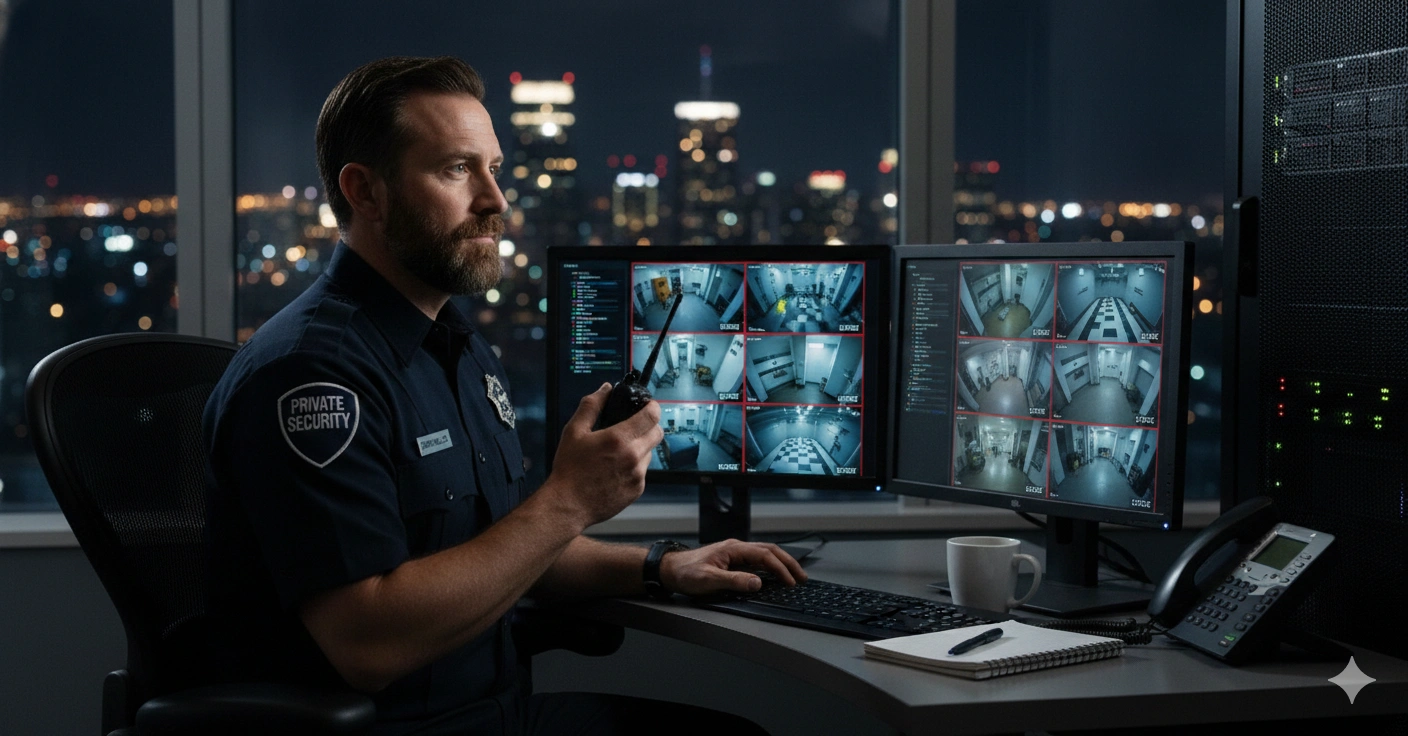
Civil unrest can happen anywhere and anytime, whether it’s due to political protests, labor strikes, or public outrage. In today’s world, where demonstrations and emergencies have become more frequent and unpredictable, businesses and property owners need reliable protection. That’s where a solid Security Guard Strategy for Civil Unrest becomes essential. From peaceful protests to sudden riots, having a trained response plan in place can prevent chaos, damage, and danger.
This blog post walks you through beginner-friendly tactics, real-world planning methods, and professional strategies that every security team should implement. Whether you’re responsible for a small commercial office or coordinating a multi-location enterprise, this article will help you improve your preparedness. Even if you’re just starting in the industry or considering hiring a security guard in Los Angeles, you’ll find actionable steps to improve your safety posture.
Why Civil Unrest Planning Is Critical for Security Teams in the U.S.
We’re living in a time of growing tension. Over the last few years, the United States has seen a spike in protests tied to political unrest, social justice movements, inflation-related dissatisfaction, and public health policies. These events can range from calm and peaceful to fast-moving and chaotic within minutes.
For security teams, that means staying ahead of potential disruptions is more important than ever. Without proper planning, businesses face not just operational shutdowns but potential lawsuits, reputational damage, and threats to employee safety.
Having a reliable emergency response plan in place helps minimize the impact of civil unrest. Security guards can respond more effectively and safely, using clear procedures instead of making decisions under pressure. With solid preparation, guards can de-escalate situations before they become dangerous and protect both people and property.
Whether you’re overseeing a hospital, school, shopping center, or corporate office, the risks of not preparing far outweigh the costs of planning. By investing in civil unrest security strategies now, you’re laying the foundation for long-term resilience and peace of mind.
Understanding the Legal and Ethical Framework
Security teams must walk a fine line: defending property and people without violating individual rights. It’s a legal and ethical challenge that becomes especially tricky during civil unrest, where tension is high, and public scrutiny is intense.
Know Your Boundaries
Security guards are not law enforcement officers. They can’t arrest people unless specific legal conditions are met, and they must always avoid excessive force. It’s essential to recognize that the First Amendment guarantees people the right to gather peacefully, a key point when planning any response to public demonstrations.
In many states, guards may only intervene when there’s a clear, immediate threat to safety or property; even then, how they intervene matters. Restraints must be reasonable. Force must be proportional. Words matter just as much as actions.
Use of Force and Legal Limits
Self-defense laws and the use of force vary significantly from one state to another. Some states enforce a “duty to retreat,” while others follow “stand your ground” laws. Security guards need to be trained in their state-specific rules and should have clear internal SOPs guiding how to react in high-stress situations.
When working during mass gatherings, guards must know how to document interactions, when to call law enforcement, and how to avoid taking actions that could escalate tensions or violate rights.
Pre-Incident Planning: Risk Assessment & Site Security Strategies
Effective civil unrest response begins long before any crowd forms. The most successful security teams are those that anticipate threats, identify vulnerabilities, and build customized strategies to mitigate risks.
Conducting a Civil Unrest Risk Assessment
Start by reviewing your physical site. Are there glass windows that could be shattered easily? Is your main entrance secure or vulnerable to forceful entry? Consider what would be at stake if the area were targeted: Are you storing valuable equipment? Are there employees on-site who could be at risk?
After analyzing the property, expand your view to the surrounding area. Are there government buildings nearby? Do local businesses attract protest activity? Understanding your geographic and social environment is key.
High-Risk Locations That Need Extra Attention
- Retail outlets and shopping malls: High foot traffic and valuable goods make them a target.
- Hospitals and medical centers: Often affected by politically motivated protests.
- Government offices and courthouses: Frequent protest sites.
- Corporate headquarters and office parks: Can be targeted due to economic or social reasons.
Threat Mitigation Strategies
- Reinforce windows and doors with shatter-resistant materials.
- Install motion-detecting lighting and 24/7 surveillance systems.
- Implement badge-only access to restrict entry.
- Maintain clear evacuation routes and backup communication lines.
Building a Proactive Emergency Response Plan (ERP)
A solid emergency response plan for security guards provides a blueprint to act fast and efficiently during an incident. It’s a living document that outlines roles, responsibilities, and specific actions based on different emergency scenarios.
What Should Be in Your ERP?
- Emergency Contact List: Include local police, fire department, EMTs, and internal stakeholders.
- Chain of Command: Clarify who makes decisions, who manages communications, and who handles external updates.
- Scenario-Based SOPs: Write out specific instructions for civil unrest, looting, fire, natural disasters, and active shooter events.
- Evacuation Routes & Lockdown Procedures: Ensure all staff know how to exit safely or where to shelter in place.
Use of ICS and NIMS
Frameworks like the Incident Command System (ICS) and the National Incident Management System (NIMS) provide a structured, unified approach to managing crises. These frameworks improve coordination with emergency services and reduce confusion during high-stress events.
Security teams trained in ICS can communicate more effectively, stay organized, and manage multiple response efforts simultaneously. Standardized tools like Incident Action Plans (IAPs), detailed logs, and response checklists streamline emergency operations and make post-incident reviews more accurate and efficient.
Real-Time Intelligence & Situational Awareness Techniques
Civil unrest can shift in minutes. What starts as a peaceful gathering could escalate quickly. That’s why real-time awareness and quick access to accurate information are essential.
Use the Right Tools
- CCTV Cameras: Monitor property in real time.
- Drones: Provide overhead visuals of large crowds or facility perimeters.
- Social Media Monitoring: Track protest announcements, sentiment changes, and hashtags.
- Crowd Mapping Software: Analyze movement trends to anticipate risk areas.
Trained guards should also use Open-Source Intelligence (OSINT) tactics to gather early warnings from public sources like news alerts, local forums, and weather updates. Integrating all of this into a central dashboard like a Security Operations Center (SOC) helps teams stay ready.
Training Guards for Civil Unrest & Emergency Scenarios
When things go wrong, it’s your people, not just your plans, that make the difference. Security guards need both technical knowledge and emotional readiness to handle high-stress events.
Focus Areas for Civil Unrest Guard Training:
- Crowd Control Psychology: Understand how group behavior works under pressure and what triggers escalation.
- De-Escalation Tactics: Use voice tone, posture, and distance to calm situations.
- Emergency Scenario Drills: Practice for looting, bomb threats, and active shooter incidents.
First Aid and Medical Preparedness:
- Stop the Bleed: Teach how to manage severe bleeding using tourniquets.
- CPR and AED Use: Ensure that the guards can assist until paramedics arrive.
Psychological Resilience:
After a crisis, emotional fatigue is real. Offer mental health support and stress management training as part of ongoing professional development.
Deployment Strategies During Active Civil Unrest
When civil unrest is unfolding, every second matters. Proper deployment is about being visible where it counts, without provoking aggression.
Smart Deployment Tactics
- Position guards at key access points, not inside crowds.
- Use high-visibility vests to discourage trespassers.
- Deploy mobile patrols to keep an eye on hidden or less-trafficked areas
Chain of Command in Action
When communications are clear, guards can avoid overlap or confusion. Use radios with designated frequencies and ensure everyone knows who gives orders.
Use pre-made Incident Action Plans (IAPs) and logs to record what’s happening. This ensures continuity even if team members rotate during long incidents.
Post-Incident Recovery & After-Action Reviews (AAR)
The work doesn’t stop once things calm down. A structured review helps your team improve and stay accountable.
Immediate Recovery Steps:
- Lock down entrances.
- Record any damage with photos and videos.
- Interview eyewitnesses for a complete account.
Conduct an AAR:
- Hold a team meeting within 24–48 hours.
- Identify what went well and what failed.
- Use this data to revise your SOPs.
These reviews are also crucial for insurance claims, public relations, and internal reporting.
Tools, Technologies & Templates for Modern Emergency Planning
Modern security isn’t manual; it’s digital and data-driven.
Recommended Tools:
- Everbridge: For mass notifications and alerts.
- TrackTik: For real-time guard tracking and reports.
- Milestone Systems: For integrating multiple surveillance sources.
Final Thoughts: Stay Ready, Not Reactive
In today’s volatile social and political climate, proactive security planning is no longer optional; it’s essential. Civil unrest can erupt quickly, and without a well-trained, well-equipped response team, your organization is left vulnerable.
Security guard companies, especially in high-risk regions like Los Angeles, must be prepared for every scenario. Investing in emergency security guard services, adopting real-time intelligence tools, and constantly training your personnel builds a culture of preparedness.
Whether you’re protecting a retail outlet, corporate headquarters, hospital, or event venue, the principles remain the same: plan ahead, act fast, and always review and improve. If you’re unsure where your current emergency response plan stands, it’s time to take action.
 Previous Post
 Next Post

