
Permanent Private Security Guard in San Francisco: Complete 2026 Guide
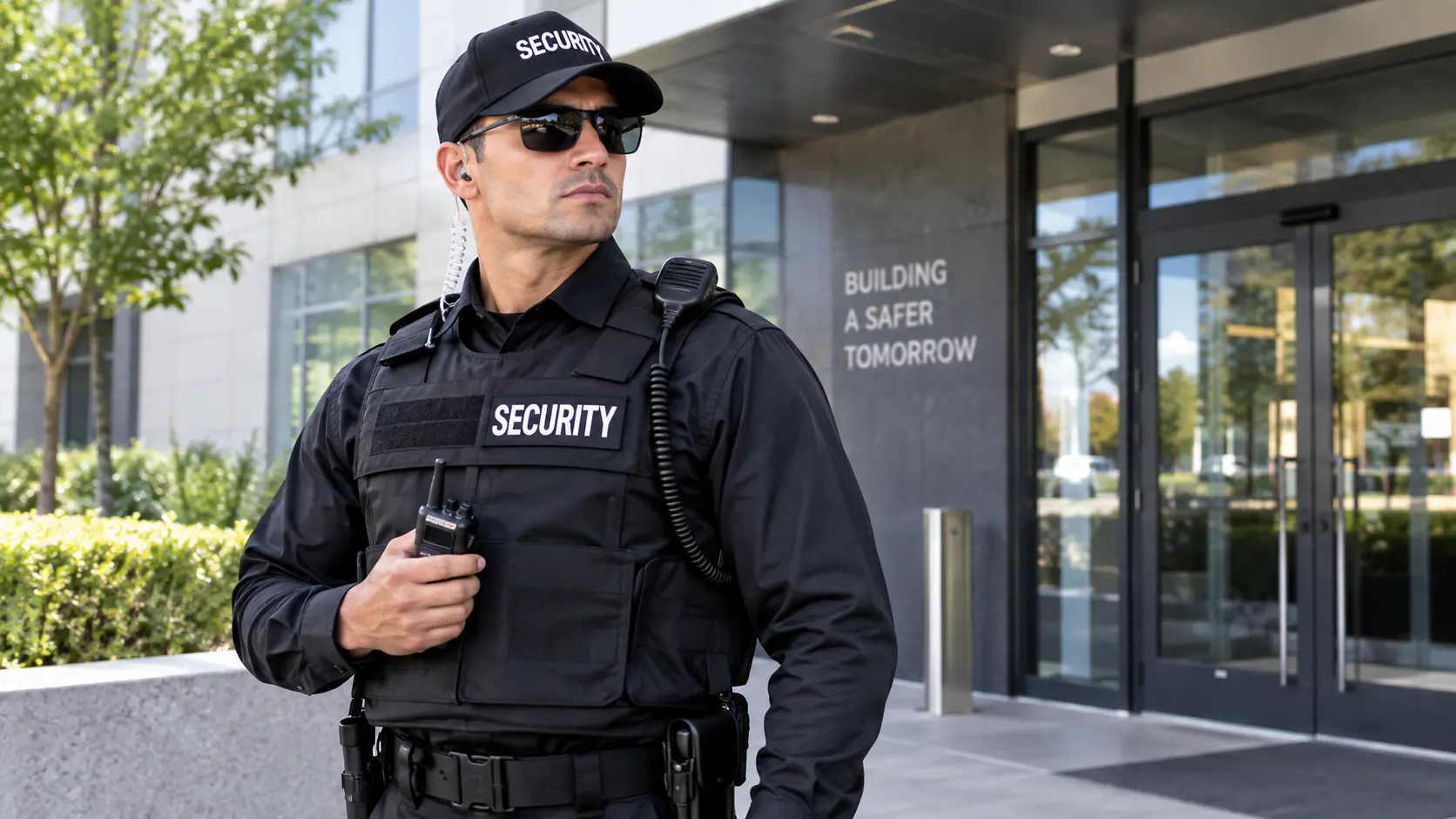
A permanent private security guard is a dedicated officer assigned to one property on an ongoing schedule. Unlike event security or a one-off weekend assignment, a permanent guard learns the building, the tenants, delivery routines, and where problems tend to start. That familiarity is why organizations choose on-site security long-term.
Hiring a private security guard in San Francisco is not a one-size decision. A Financial District office lobby, a SoMa construction site, a Mission District apartment building, and a Mission Bay warehouse each have different entrances, hours, visitor volume, and assets to protect. Those details should drive the staffing plan.
This guide covers how permanent coverage works, how it compares with monitoring and patrol options, what affects cost, and how to choose a provider. It also explains where Security Base Group fits for property owners who want a customized plan.
What Is a Permanent Private Security Guard in San Francisco?
A permanent security guard is assigned to a single site for an extended period, often months or years, rather than filling in for a shift or an event. The same officer, or a small rotation of officers, works the post and builds working knowledge of the property.
In practice, that usually means a guard who:
- Controls access at a lobby, gate, loading dock, or parking entrance
- Checks in visitors, contractors, and deliveries
- Walks the property on a routine schedule
- Writes incident reports and daily activity logs
- Follows post orders, the written, site-specific instructions that spell out duties, escalation steps, and who to contact
Here is a simple example. A guard at a mixed-use building in SoMa knows which tenants expect after-hours cleaning crews, which door tends to get propped open, and which contractor is scheduled on Thursday. A guest guard on a one-night assignment would not.
| Permanent Security | Temporary Security | |
| Duration | Ongoing, scheduled |
Short-term or one-time |
|
Site knowledge |
Builds over time | Limited, needs briefing |
|
Typical use |
Offices, residential, construction, industrial | Events, short projects, coverage gaps |
| Accountability | Consistent post and reporting |
Varies by assignment |
Why San Francisco Properties May Need Permanent Security
Most properties do not hire a guard because of one dramatic event. They hire one because small, recurring issues add up: unauthorized access, tailgating through secured doors, trespassing in parking areas, vandalism, package theft, or activity after hours in places that should be empty.
San Francisco’s property mix makes these concerns varied. Dense downtown buildings deal with high visitor traffic and multiple tenants sharing one entrance. Residential communities need controlled access without making residents feel policed. Construction sites hold tools, copper, and equipment that are attractive targets once crews leave for the day. Warehouses and industrial yards often have large perimeters and limited lighting.
A permanent guard does not eliminate risk, and no one should promise that. What a dedicated officer provides is presence, a consistent record of what happens on site, and a fast, informed first response. A property-specific risk assessment, rather than assumptions about a neighborhood, should determine how much coverage is justified.
What Does a Permanent Private Security Guard Do?
Duties differ by site, but most shifts combine a handful of core tasks.
Access Control
At an office building, this might mean verifying visitor identification, issuing badges, confirming appointments with tenants, and logging deliveries. At a residential community, it could involve managing a gate, checking vendors, and making sure guests are expected. The goal is the same: the right people get in, and the wrong ones are redirected before they reach restricted areas.
Property Monitoring
Guards walk interior and exterior routes, check doors and stairwells, inspect parking levels, and watch for unusual activity. Where cameras exist, an on-site guard may monitor feeds and respond to alerts. A strong post order specifies what to look for, such as propped doors, broken locks, new graffiti, or equipment left out.
Incident Response
When something happens, the guard’s job is to assess, follow the escalation plan, and contact the right party, whether that is a property manager, building engineer, or emergency services. Guards are generally expected to observe, deter, and report rather than act as police. Clear instructions in advance prevent confusion in the moment.
Security Reporting
Written reports are often the most valuable thing a guard produces. Daily activity logs, incident reports, and shift notes create a record that helps property managers spot patterns, support insurance claims, and resolve disputes about who was where and when.
Employee, Tenant and Visitor Safety
Day to day, this looks ordinary: escorting an employee to a parking structure after a late shift, helping a tenant who is locked out, assisting a visitor who is lost, or noticing a slip hazard. Safety is as much about steady, visible service as it is about security incidents.
Permanent Security Guard vs. Monitoring Guards vs. Mobile Patrol
These services overlap, but they solve different problems.
A permanent security guard is stationed at the property. Monitoring guards watch cameras, alarms, or access systems and respond to what they see, and depending on the setup, may do so on-site or from a monitoring location. Mobile patrol uses a vehicle-based officer who visits multiple properties on a schedule or in response to alerts. Temporary or event security covers a defined window, such as a product launch or a project deadline.
|
Service |
Coverage | Best Use | Main Function | Site Presence | Typical Application |
| Permanent guard | Scheduled shifts, up to 24/7 | Sites needing constant presence | Access control, patrol, reporting | Continuous during shift |
Offices, residential, construction |
|
Monitoring guards |
Ongoing, system-based | Properties with cameras or alarms | Observing, verifying, escalating | Often remote or at a control post | Multi-building or camera-heavy sites |
|
Mobile patrol |
Scheduled visits or alert response | Lower-risk or spread-out sites | Deterrence, spot checks | Intermittent | Retail strips, parking lots, vacant units |
| Temporary/event | Defined dates | Short-term needs | Crowd and access management | During the event only |
Events, short projects |
Many properties combine services. A residential complex might keep a permanent guard at the main gate from evening through morning and add Mobile patrol to check secondary lots and perimeter areas during the day. A construction site may use a daytime access guard and add overnight patrol or monitoring once equipment is staged.
Armed Guards in San Francisco vs. Unarmed Permanent Guards
Armed coverage is a decision, not an upgrade. It should follow a risk assessment, not a feeling that “more is safer.”
Factors worth weighing:
- Property risk: What threats are realistic for this site?
- Assets: High-value inventory, cash handling, or sensitive materials may justify a different posture.
- Client or insurer requirements: Some contracts and policies specify armed or unarmed coverage.
- Environment: A staffed office lobby differs from an isolated industrial yard.
- Nature of the assignment: Customer-facing hospitality roles often suit unarmed guards.
- California requirements: Armed work involves additional state authorization and firearms training beyond a standard guard registration. Clients should confirm that any officer assigned has the credentials the law requires.
Unarmed guards fit many settings well, including office lobbies, apartment communities, and retail locations where the main need is visibility, access control, and reporting. Armed guards in San Francisco may be considered where the risk profile is higher, such as valuable materials, cash handling, or sites where a client or insurer requires it.
The point is fit. An armed officer at a site that does not need one adds cost and complexity without adding value. A provider that offers both options can recommend what suits the property rather than steering you toward one.
Who Should Consider a Permanent Private Security Guard?
Commercial Properties
Multi-tenant buildings often struggle with lobby traffic, after-hours entry, and shared amenities. A permanent guard standardizes how visitors and vendors are handled.
Apartment & Residential Communities
Problems here tend to be tailgating through gates, unauthorized guests in garages, package issues, and noise or parking disputes. A guard provides a consistent point of contact for residents and management.
Retail Businesses
Retail concerns revolve around theft, disruptive behavior, and staff safety during opening and closing. A visible guard can discourage incidents and support employees when situations escalate.
Construction Sites
Active sites are exposed to material and equipment theft, unauthorized entry, and liability from people walking onto the site. Guards manage gate logs, check who is on site, and watch the perimeter once crews leave.
Warehouses & Industrial Facilities
Large footprints, truck traffic, and inventory control make these sites a good match for a post-based guard who verifies drivers, checks seals and paperwork, and patrols fence lines.
Corporate Offices
Here the focus is reception-level access control, badge compliance, visitor management, and employee safety, often alongside building management protocols.
How Many Permanent Security Guards Does a San Francisco Property Need?
There is no honest universal formula. Square footage alone says very little about how many officers a site needs.
Staffing depends on:
- Property size and layout
- Number of entrances and exits
- Operating hours
- Whether 24/7 coverage is required
- Number of fixed posts
- Patrol requirements
- Risk level and past incident history
Common models include:
- One guard during business hours: a lobby or front-desk presence for an office
- Overnight guard: coverage when the building is empty, common for construction and industrial sites
- 24/7 coverage: continuous presence, which requires multiple officers across shifts
- Multiple guards per shift: separate posts for a lobby, garage, and loading area
- Guard plus mobile patrol: a fixed post with additional rounds across secondary areas
A professional site assessment should determine the right model. A guard who stands at a door that does not need watching is wasted spend, and an uncovered back entrance is a gap.
How Permanent Security Coverage Works 24/7
Round-the-clock coverage is a system, not a single person.
A typical program runs like this:
- Security assessment: A walkthrough identifies entrances, blind spots, and risks.
- Site-specific post orders: Written instructions define duties, schedules, and escalation contacts.
- Scheduling: Shifts are built so posts are covered without gaps or excessive overtime.
- Shift handoff: Outgoing officers brief incoming ones on incidents, visitors, and open issues.
- Access monitoring: Guards log entries, verify identities, and manage keys or credentials.
- Patrol and observation: Rounds follow a set route and frequency.
- Incident reporting: Events are documented and sent to the property contact.
- Supervisor oversight: Supervisors check on posts and review reports.
- Ongoing review: Post orders and staffing get adjusted as the property changes.
One guard cannot work 24 hours straight, so a true 24/7 post needs several officers rotating through shifts, plus backup when someone is sick or unavailable. Ask any provider how they handle callouts before you sign.
How to Choose a Permanent Private Security Company in San Francisco
When comparing private security services in San Francisco, use a checklist rather than a sales pitch.
- California licensing: Companies providing guard services must be licensed through the California Bureau of Security and Investigative Services (BSIS), and officers must hold the appropriate registration. Verify credentials through the state rather than relying on marketing claims.
- Insurance: Ask for proof of coverage and confirm what it includes.
- Training: Ask what training officers receive beyond state minimums and how it is documented.
- Supervision: Find out who checks on posts, how often, and how.
- Reporting: Request sample report formats and ask how quickly incidents are communicated.
- Backup coverage: Ask what happens when your regular guard cannot make a shift.
- Armed and unarmed options: A provider with both can match the assignment to the risk.
- Mobile patrol capability: Useful if your needs may grow or change.
- Contract terms: Review length, cancellation, rate adjustments, and notice requirements.
- Site-specific planning: A provider should want to see the property before quoting.
A company that quotes confidently over the phone without asking about your site deserves a follow-up question or two.
How Much Does a Permanent Private Security Guard Cost in San Francisco?
Pricing depends on the plan, not a standard rate.
Main factors:
- Armed vs. unarmed officers
- Number of guards
- Hours per day and days per week
- Whether 24/7 coverage is needed
- Contract length
- Site complexity and number of posts
- Specialized requirements, such as particular training or reporting needs
- Added services like Mobile patrol
- Short-notice or urgent starts
Two buildings of identical size can have very different costs if one needs a single weekday lobby guard and the other needs overnight coverage with a patrol component. The most useful way to get an accurate number is to define the security plan first, then price it. If you have a property in mind, request a customized quote from Security Base Group so the estimate reflects your actual requirements.
Why Choose Security Base Group for Permanent Security in San Francisco?
Security Base Group provides security services to San Francisco clients and works with properties that need ongoing coverage rather than one-time assignments.
Relevant capabilities include:
- Permanent, long-term guard assignments
- Armed and unarmed security options
- Mobile patrol
- Monitoring guards
- Security reporting
- Site-specific planning
- Ongoing coverage matched to the property’s schedule
For a broader overview of local services, see our page for a Security Guard Company in San Francisco. This article goes deeper on dedicated, long-term assignments.
If you are comparing providers, ask to talk through your property and what a realistic plan looks like. A good conversation about posts, hours, and reporting tells you more than any brochure.
Permanent Private Security Guard Hiring Process
- Discuss security requirements: Share your concerns, hours, and property type.
- Assess the property: A walkthrough identifies entrances, risks, and practical needs.
- Determine guard type and staffing: Armed or unarmed, number of posts, and whether to add patrol.
- Develop post orders and schedule: Duties, escalation steps, and shift coverage are put in writing.
- Deploy and review: Guards start, and the program is reviewed and adjusted as needed.
Frequently Asked Questions
What is a permanent private security guard in San Francisco?
A dedicated officer assigned to one property on an ongoing schedule, handling access control, patrols, reporting, and first response under site-specific post orders.
What is the difference between permanent and temporary security?
Permanent security is long-term and builds site knowledge. Temporary security covers a defined period, such as an event or a short project.
Do you provide armed guards in San Francisco?
Security Base Group offers armed and unarmed options. The right choice depends on a risk assessment, client requirements, and applicable California rules.
Can one permanent guard provide 24/7 security?
Not alone. Continuous coverage requires multiple officers working scheduled shifts, with backup for absences.
Are monitoring guards different from security guards?
Often, yes. Monitoring guards focus on watching cameras, alarms, or access systems and escalating what they see. Security guards at a post also handle physical access and patrol.
When should I choose mobile patrol instead of a permanent guard?
Mobile patrol often suits lower-risk or spread-out properties, such as parking lots or vacant units, where constant presence is not necessary.
How much does a permanent security guard cost in San Francisco?
It depends on guard type, hours, number of posts, contract length, and site needs. A written plan is required for an accurate quote.
What types of properties can use permanent security?
Offices, apartment communities, retail locations, construction sites, warehouses, and industrial facilities.
Can Security Base Group create a customized security plan?
Yes. Security Base Group can discuss your property and build a plan around its staffing, schedule, and coverage needs.
How can I request permanent security in San Francisco?
Call 844-999-9928 or request a quote through the Security Base Group website.
Get a Permanent Private Security Guard in San Francisco
The right permanent private security guard in San Francisco is matched to the property, not pulled from a template. Security Base Group can help you plan on-site protection with customized staffing, armed or unarmed options, monitoring, Mobile patrol, and coverage across San Francisco. Start with a conversation about your site and goals.
Call Security Base Group at 844-999-9928 or request a customized security quote online.


