
How Security Guards Keep Patients and Staff Safe Every Day
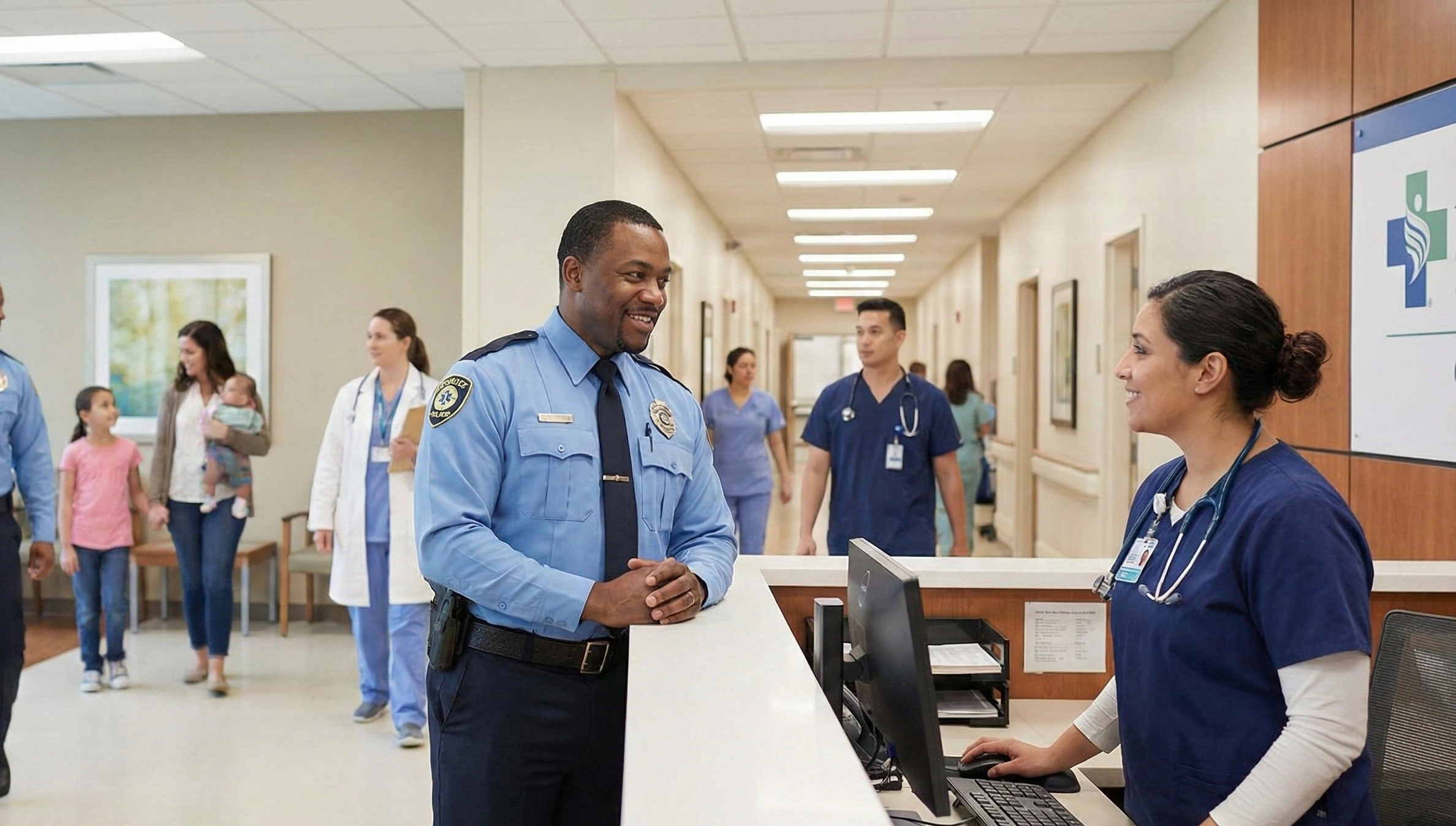
Hospitals and healthcare centers are places where people go to get better, feel secure, and receive help when they are sick or hurt. Every day, patients, visitors, doctors, nurses, and hospital staff move through these buildings. Since hospitals are open all day and all night, they face many safety challenges. This is why hospital security guards are very important.
Healthcare facilities face unique risks, including emotional visitors, patients in distress, emergencies, and expensive medical equipment. Unlike offices or shopping malls, hospitals cannot simply close their doors. They have to remain open 24 hours a day, seven days a week. Security guards help keep healthcare facility safety by watching over the premises, managing who comes in, and reacting quickly to any problems.
Having trained security guards makes patients and staff feel protected. It also helps create a calm environment where doctors and nurses can focus on taking care of patients. In busy cities like Los Angeles, hospitals often hire a security guard company in Los Angeles to professionally handle these safety challenges.
Why Security Guards Are Essential in Hospitals and Healthcare Settings
Hospitals are open to everyone, but that also means they are not completely risk-free. Anyone can enter, and people often feel emotional or stressed. Families may worry about loved ones, patients may feel pain or fear, and hospital staff work under pressure. Sometimes these situations can lead to arguments, aggressive behavior, or even violence.
Security guards are important because they act as the first line of protection. Just having them around helps prevent bad behavior. People are less likely to cause trouble when trained guards are present. Hospitals that use professional healthcare security services also experience fewer cases of theft or property damage.
Incidents of violence and theft in hospitals have increased over the years. This makes security even more essential. Guards help build trust by making patients and staff feel safe. Many hospitals rely on security guard companies in Los Angeles because they understand local risks and provide trained guards who know how to protect healthcare environments.
In simple terms, security guards help hospitals operate smoothly, safely, and confidently.
Role of Security Guards in Ensuring Patient Safety
Patient safety is the most important concern in hospitals. Patients can be weak, confused, or unable to protect themselves. Security guards play a quiet but very important role in keeping them safe every day.
Preventing Unauthorized Access to Patient Care Areas
Certain areas in hospitals must remain restricted. These include ICUs, maternity wards, neonatal units, and mental health sections. Security guards control who enters these spaces. They check visitor passes, IDs, and staff badges.
By preventing unauthorized access, guards protect patients from unwanted visitors and reduce risks like harassment or theft. This is a key part of hospital security guard duties.
Protecting Vulnerable Patients from Harm
Some patients need extra protection. These include elderly patients, children, disabled individuals, and people with mental health conditions. Security guards watch for unsafe behavior and help if a patient wanders off or becomes confused.
They also help nurses by observing patient movement and alerting medical staff when something seems wrong. This extra layer of care improves overall patient safety in hospitals.
Deterring External Threats Inside Hospital Premises
Hospitals may attract criminals because of valuable equipment and open access. Security guards help prevent threats like theft, harassment, or intrusion. Their visible presence shows that safety is taken seriously.
In cities where security in Los Angeles is a major concern, this role becomes even more critical for protecting patients.
How Security Guards Protect Doctors, Nurses, and Hospital Staff
Healthcare workers face many challenges. Along with long hours and emotional stress, they sometimes encounter angry or violent people. Security guards help keep staff safe so they can concentrate on caring for patients.
Preventing Workplace Violence and Aggressive Behavior
Security guards are trained in de-escalation techniques. This means they know how to calm people using words and body language. When a patient or visitor becomes aggressive, guards step in to prevent the situation from getting worse.
This support reduces instances of workplace violence in healthcare and helps staff feel safe at work.
Escorting Staff During Night Shifts and High-Risk Situations
Many hospital staff work late nights or very early mornings. Walking alone through parking areas or isolated sections can feel unsafe. Security guards escort staff to their cars or between buildings when needed.
Hospitals often hire security guard services in Los Angeles to provide these escort services, especially in large or busy facilities.
Supporting Staff During Medical and Security Emergencies
During emergencies, security guards help manage the situation. They guide people, secure areas, and coordinate with emergency responders. Their support allows doctors and nurses to focus entirely on patient care.
Access Control and Visitor Management in Hospitals
Controlling who enters and exits a hospital is very important. Security guards carefully manage this to keep everyone safe.
Monitoring Entrances and Verifying Credentials
Guards are stationed at entrances to check IDs and badges. They make sure visitors go only to areas they are allowed to enter. This helps prevent confusion and keeps restricted areas secure.
Issuing and Managing Visitor Passes and Badges
Visitors usually receive badges showing where they can go. Security guards explain rules so visitors clearly understand hospital policies.
Enforcing Restricted Area Policies
If someone tries to enter a restricted area without permission, guards politely stop them and direct them properly. This keeps sensitive areas safe and well-organized.
Surveillance and Security Patrols in Healthcare Facilities
Security guards do much more than stand at doors. They actively patrol and monitor hospital grounds.
CCTV Monitoring and Real-Time Incident Detection
Many hospitals have cameras watching hallways, entrances, and parking areas. Guards watch these feeds to detect problems quickly and respond immediately.
Regular Security Patrols Inside and Outside Hospital Buildings
Patrols help prevent crime and allow guards to notice safety hazards. Seeing guards regularly also reassures patients and staff.
Incident Reporting and Documentation for Compliance
When an incident happens, guards write detailed reports. These reports help hospitals improve safety and comply with legal requirements.
Emergency Response and Crisis Management by Security Guards
Emergencies can happen at any time in a hospital. Security guards are trained to act quickly and stay calm.
Assisting in Evacuations and Fire Emergencies
During fires or evacuations, guards guide patients and visitors to safety. They help prevent panic and confusion.
Crowd Control During Medical Emergencies and Disasters
In emergencies, crowds can form quickly. Guards manage these crowds to keep hallways clear and maintain safety.
Coordinating with Police, Ambulance, and Emergency Services
Security guards act as a connection between hospital staff and emergency responders. This coordination saves time and can save lives.
Theft Prevention and Protection of Hospital Assets
Hospitals have valuable tools, medicines, and personal belongings.
Securing Medical Equipment and Pharmaceuticals
Security guards monitor storage areas to prevent theft of medical equipment and drugs.
Preventing Theft of Patient and Visitor Belongings
Guards keep an eye on waiting rooms and wards to protect personal items.
Supporting Physical Security of Sensitive Data Areas
Although IT teams manage digital security, guards protect physical access to data rooms.
Hospitals often depend on security services in Los Angeles to handle these duties professionally.
Conflict De-Escalation and Managing High-Stress Situations
Hospitals are emotional places. Security guards help manage these situations safely.
Identifying Early Signs of Aggression or Distress
Guards are trained to recognize early signs of aggression or distress, such as shouting or agitated behavior.
Using Communication to Calm and Control Situations
Simple talking, listening, and giving clear instructions can often prevent violence.
Safe Physical Intervention When Absolutely Necessary
If someone is an immediate danger, guards use approved methods to keep everyone safe.
Crowd and Traffic Management in Busy Healthcare Environments
Hospitals can get very crowded.
- Managing queues in waiting areas
- Directing visitors to the correct departments
- Controlling parking and traffic flow
These actions reduce stress and make the experience better for patients and visitors.
Contribution of Security Guards to Hospital Safety Standards and Compliance
Security guards help hospitals follow safety rules and laws.
- Supporting inspections and audits
- Maintaining incident records
- Helping build trust with patients and staff
Working with a trusted security guard company in Los Angeles helps hospitals stay ready and compliant.
The Long-Term Impact of Security Guards on Healthcare Safety
Strong security leads to long-term benefits.
- Fewer violent incidents
- Less theft
- Staff feel more confident and safe
- Better experience for patients
Hospitals that hire professional security guard companies in Los Angeles see lasting improvements in safety.
Conclusion: Security Guards as a Pillar of Patient and Staff Safety
Security guards are an essential part of hospitals every single day. They protect patients, support staff, handle emergencies, and keep healthcare facilities safe and organized. Even though their work often goes unnoticed, it is very important.
By working with experienced security guard services in Los Angeles, hospitals can create safer places for healing and care. Strong security is not optional. It is the foundation of good healthcare.
 Previous Post
 Next Post

