
15 Commercial Security Risks in San Francisco & How to Fix Them
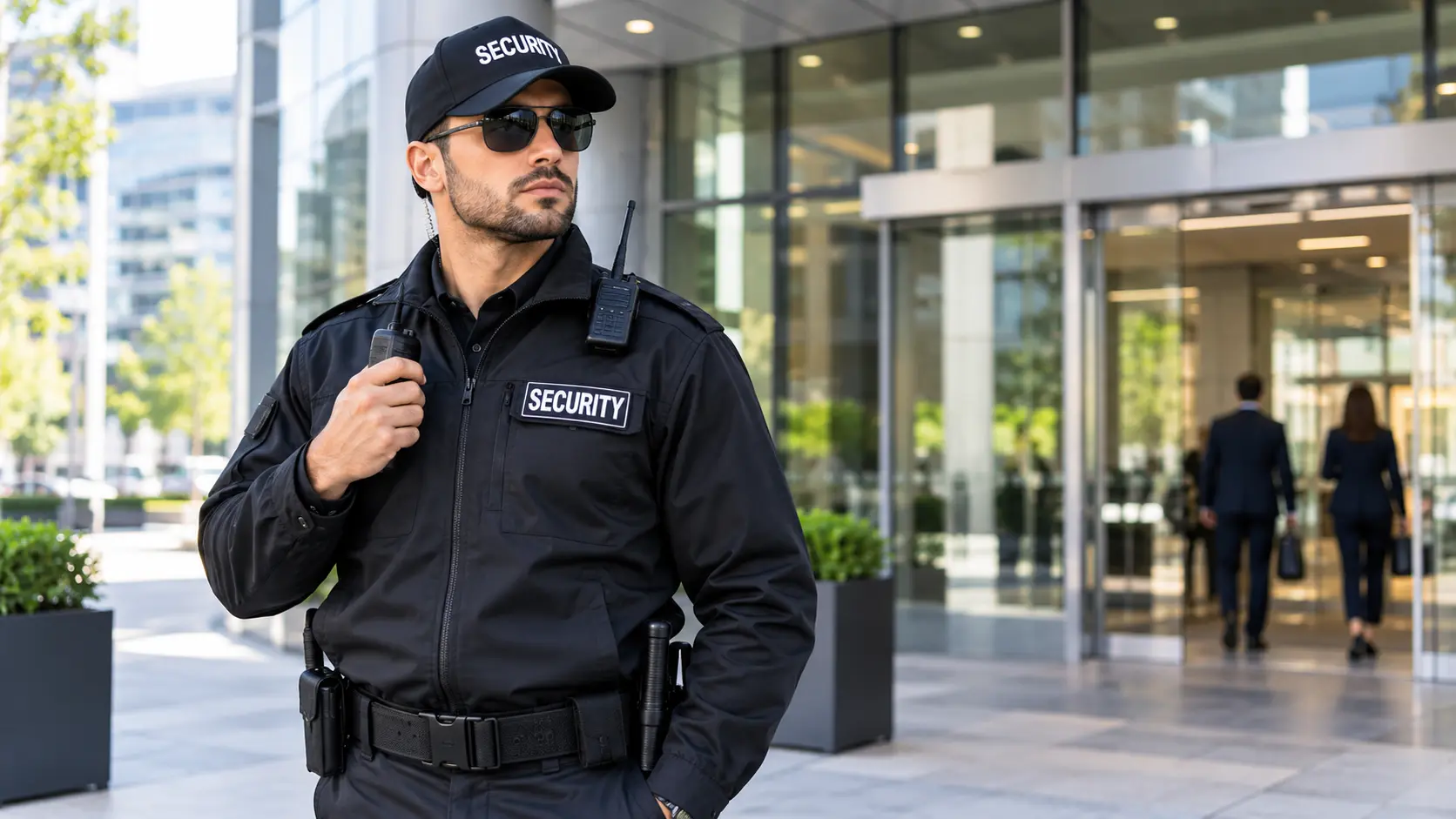
Commercial Security Risks in San Francisco rarely start with a break-in. More often, they start small: a propped-open service door, a delivery driver no one asks for ID, a stairwell camera that’s been pointed at a wall for months. By the time a theft, injury, or act of vandalism happens, the vulnerability that allowed it was usually there long before anyone noticed.
For property owners, business owners, and facility managers in San Francisco, commercial security risk goes well beyond theft. It includes unauthorized access, trespassing, vandalism, after-hours activity, unsecured entrances, loading dock exposure, parking-area incidents, inconsistent emergency response, gaps in overnight coverage, and security procedures that exist on paper but aren’t followed on-site.
A commercial security assessment can help identify these vulnerabilities before they become bigger operational or financial problems. Security Base Group works with office buildings, retail properties, warehouses, construction sites, and multi-tenant properties throughout San Francisco to evaluate where those gaps exist and what level of coverage actually fits the property.
This guide covers 15 of the most common commercial security risks at San Francisco properties, what to check for each, and how they’re typically addressed.
What Is a Commercial Security Assessment?
A commercial security assessment is a structured review of a property’s layout, access points, and existing security measures to identify vulnerabilities and determine what level of protection is appropriate.
A thorough assessment typically covers:
- Entrances, exits, and how each is monitored or controlled
- Employee, visitor, and contractor access procedures
- Parking areas and loading docks
- The building perimeter and any blind spots
- After-hours activity patterns
- Lighting and CCTV coverage
- Alarm systems and existing security procedures
- Incident history at the property
- Guard and patrol requirements
- Emergency response planning
The goal isn’t to sell a specific service; it’s to understand the property well enough to recommend coverage that matches its actual risk profile, which looks very different for a 24-hour warehouse than for a mid-rise Financial District office. A security assessment for commercial properties in San Francisco should account for operating hours, tenant mix, asset value, and incident history before any recommendation is made.
15 Commercial Security Risks in San Francisco & How to Fix Them
1. Uncontrolled Entry Points
Most properties have more entry points than owners realize: main entrances, employee-only doors, side doors used for smoke breaks, service entrances, and emergency exits propped open during business hours. Every unmonitored door is a potential way in for someone who doesn’t belong.
- What to check: Walk the exterior and note every door: is it locked, alarmed, and who has access?
- How to address it: Access control, visitor sign-in procedures, and regular door checks help. For higher-traffic properties, a commercial security guard monitoring the main entrance can verify who’s coming and going in real time.
2. Unauthorized After-Hours Access
Buildings that feel secure during business hours often have far less oversight once staff leaves. Former employees whose access wasn’t revoked, contractors with old keys, and late-night deliveries can create access gaps that go unnoticed for months.
- What to check: Review who currently holds keys, fobs, or codes, and cross-reference against current employees and active vendors.
- How to address it: Revoke access promptly when someone leaves, and consider whether the property needs overnight security guards, a scheduled mobile patrol, or both.
3. Tailgating and Unauthorized Entry
Tailgating happens when someone without access follows an authorized person through a secured door before it closes common, rarely obvious in the moment, and hard for technology alone to catch.
- What to check: Observe entry points during shift changes and busy periods, when tailgating is most likely.
- How to address it: Employee awareness helps, but a physical presence at high-traffic entrances front desk staff or a security guard catches and addresses tailgating as it happens.
4. Parking Lot Security Gaps
Parking structures and lots are often the least visible part of a property after dark. Poor lighting, isolated stairwells, and limited camera coverage create conditions where incidents can go unnoticed, directly affecting employee and tenant safety.
- What to check: Walk the lot at night, not just during the day, and note lighting dead zones and camera blind spots.
- How to address it: Better lighting and cameras help, but a scheduled mobile patrol checking parking areas at set intervals adds a visible, physical presence without requiring a guard stationed there continuously.
5. Unsecured Loading Docks
Loading docks are a common weak point for warehouses, retail properties, and distribution facilities, seeing constant traffic from people who aren’t full-time employees: delivery drivers, contractors, third-party staff.
- What to check: Confirm whether deliveries are logged, dock doors are secured when not in use, and who has access to the dock versus the rest of the building.
- How to address it: Delivery verification and separating dock access from interior access reduce exposure. Security personnel checking the dock during active hours add accountability that paperwork alone doesn’t.
6. Blind Spots Around the Property
Every property has harder-to-see areas: rear entrances, side alleys, stairwells, parking structure corners, storage areas, perimeter stretches with little foot traffic. These are where trespassing and vandalism are most likely to go undetected.
- What to check: Walk the perimeter, including areas employees rarely visit, and note what’s out of camera range or poorly lit.
- How to address it: Additional lighting and cameras help, but physical patrols remain the most reliable way to check areas technology doesn’t fully cover, particularly at night.
7. Retail Theft and Inventory Loss
Retail properties and stockrooms carry a specific exposure: merchandise that’s visible, accessible, and hard to track in real time, especially during busy periods or high staff turnover.
- What to check: Review stockroom access, how deliveries are received and logged, and camera coverage and staff visibility in merchandise-heavy areas.
- How to address it: Trained commercial security guards support loss-prevention procedures by monitoring high-traffic areas and verifying deliveries, complementing, not replacing, a retailer’s existing inventory controls.
8. Trespassing and Loitering
Repeated unauthorized presence in a doorway, stairwell, or parking area affects how safe employees, customers, and tenants feel, even without a crime occurring, and can disrupt normal operations.
- What to check: Ask front-line staff and tenants whether they’ve noticed recurring unauthorized presence, and where.
- How to address it: Consistent patrols, clear procedures for addressing trespassing, and incident documentation help establish a pattern over time. Security personnel trained in de-escalation manage these situations more consistently than ad hoc responses.
9. Vandalism and Property Damage
Exterior walls, parking areas, equipment, vacant units, and active construction zones are frequent targets, particularly when a property sits unattended for long stretches.
- What to check: Review any history of vandalism and which areas were affected; that pattern usually points to where oversight is thinnest.
- How to address it: Mobile patrol and overnight coverage can reduce exposure by adding a visible, unpredictable presence during vulnerable hours. No measure guarantees prevention, but consistent coverage meaningfully changes the risk calculation.
10. Construction and Contractor Access
Active construction brings multiple contractors, temporary workers, equipment, and materials on a schedule that shifts week to week, often with temporary access points.
- What to check: Confirm who currently has site access, how that list updates as crews rotate, and whether materials are secured when work isn’t in progress.
- How to address it: Construction security guards and clear access verification help ensure only authorized personnel are on-site, and that equipment is protected during off-hours.
11. Poor Overnight Security Coverage
A property looks very different from a risk standpoint outside business hours: reduced staff, empty buildings, and fewer people around to notice something wrong on nights, weekends, and holidays.
- What to check: Map out what coverage (if any) exists overnight and compare it to daytime coverage.
- How to address it: Depending on the property, this might mean overnight security guards, scheduled mobile patrol, full 24/7 coverage, or a hybrid approach combining lighter patrol with alarms and cameras.
12. No Clear Emergency Response Procedure
Many properties have security measures in place but no documented plan for how staff or guards should respond to unauthorized access, property damage, medical emergencies, fire-related incidents, or suspicious activity.
- What to check: Ask staff what they’re supposed to do if they witness an incident. If the answer varies person to person, there isn’t a real procedure.
- How to address it: Trained security personnel working from clear, property-specific post orders provide a consistent first response and proper incident reporting. Security guards support and document incidents; they are not a substitute for police, fire, or emergency medical services.
13. Relying on Security Cameras Alone
Cameras are valuable, but they have real limits. A camera can record what happens; it can’t verify someone’s identity at the door, check a locked gate, or intervene in real time.
- What to check: Ask what actually happens when cameras pick up something unusual. If the answer is “someone reviews it later,” that’s monitoring, not active security.
- How to address it: CCTV, a commercial security guard, and mobile patrol tend to work best as complementary layers. Cameras provide coverage and evidence; guards and patrols provide verification, presence, and real-time response.
14. No Documented Security Procedures
It’s common for a property to have cameras, an alarm, or occasional patrols without written procedures behind them: no formal post orders, inconsistent patrol schedules, incomplete incident records, visitor procedures that exist more as habit than policy.
- What to check: Ask for the property’s written security procedures. If none exist, or they’re outdated, that’s a gap worth closing.
- How to address it: Property-specific post orders, a defined patrol schedule, clear visitor and contractor procedures, and consistent incident reporting, often formalized through a daily activity report, create accountability and make it possible to spot patterns over time.
15. Using the Wrong Type of Security Coverage
Every commercial property is different. Coverage that works well for a single busy entrance may not fit a multi-building campus with a large perimeter, and a retail storefront has different needs than a construction site.
| Property Need | Potential Security Solution |
| Entrance/access monitoring | Commercial security guard |
| Higher-risk environment | Armed guard, when appropriate |
| Large property/perimeter | Mobile patrol |
| Overnight vulnerability | Overnight security |
| Multiple access points | On-site security guards |
| Construction property | Construction security |
| Multiple vulnerabilities | Customized security plan |
An armed guard isn’t automatically the stronger option for every property. The right coverage depends on property type, the risks an assessment identifies, operating hours, assets on-site, access points, and client requirements.
Found one or more of these vulnerabilities at your property? Talk with Security Base Group about a solution that fits your specific risks.
How to Determine Which Security Solution Your San Francisco Property Needs
When a Commercial Security Guard May Be Appropriate
A commercial security guard tends to fit properties that need consistent access control, visitor management, and a physical presence during active hours, such as office buildings with steady foot traffic, retail environments, and multi-tenant properties.
When Mobile Patrol May Be Appropriate
Mobile patrol often suits large properties, multi-building campuses, and sites that don’t need a fixed guard post but still require regular perimeter checks and overnight monitoring.
When an Armed Guard May Be Appropriate
Armed security may be worth considering where a risk assessment, asset value, client requirements, or past incidents justify it. It isn’t a default recommendation; it should follow directly from what an assessment finds at the property.
Why San Francisco Businesses Choose Security Base Group
Security Base Group works with commercial property owners, business owners, and facility managers throughout San Francisco to build coverage around the specific risks a property actually has, rather than a one-size-fits-all package.
- Commercial Security Guards: Access monitoring, visitor and contractor management, property observation, routine patrols, and incident reporting for office buildings, retail properties, and multi-tenant sites.
- Armed Guards: For properties where an assessment or client requirements point to a higher level of protection, armed coverage is available and scaled to the property’s specific circumstances.
- Mobile Patrol: Scheduled property checks, perimeter inspections, and overnight monitoring across single or multiple locations, providing a visible, unpredictable presence without a fixed guard post.
- Customized Security Planning: Rather than fitting the property to a standard package, Security Base Group starts with the property’s size, operating hours, access points, incident history, and asset exposure and builds a plan around what it actually needs.
For a closer look at commercial coverage for San Francisco properties specifically, see Security Base Group’s San Francisco security guard services.
Security Companies San Francisco Businesses Can Consider
San Francisco has several security providers, and it’s worth comparing them on more than price.
When evaluating a provider, consider:
- Experience with commercial properties specifically
- Whether armed and unarmed options are both available
- Mobile patrol capability and overnight coverage options
- How guards are supervised and held accountable
- Incident reporting and documentation practices
- Proper BSIS licensing and regulatory compliance
- Industries and property types served, and local response times
- Whether the provider builds a customized plan or sells a standard package
The goal is a provider whose experience and coverage options actually match your property, not the biggest name available.
How to Choose a Commercial Security Company in San Francisco
Questions to Ask Before Hiring
- Are your guards properly licensed?
- Do you offer both armed and unarmed options?
- Do you provide mobile patrol?
- Can you provide overnight coverage?
- Do you assess the property before recommending coverage?
- How are guards supervised while on shift?
- How are incidents documented and reported?
- Can coverage be adjusted as needs change?
- What types of commercial properties do you typically serve?
- Can you provide a customized quote?
A provider that answers these clearly and wants to assess your property before recommending anything is generally a better sign than one that quotes a package sight unseen.
San Francisco Commercial Property Security Assessment Checklist
- Property: Entrances reviewed · Emergency exits checked · Parking areas assessed · Loading docks assessed · Perimeter inspected
- Access: Employee access reviewed · Contractor access reviewed · Visitor procedures reviewed · After-hours access reviewed
- Technology: CCTV coverage reviewed · Blind spots identified · Alarm systems reviewed · Lighting assessed
- Personnel: Guard requirements assessed · Patrol requirements assessed · Emergency procedures reviewed · Incident reporting process established.
When Should a San Francisco Business Reassess Its Security?
It’s worth reassessing coverage when you move into a new property, expand or renovate the building, add valuable equipment or inventory, change operating hours, experience repeated incidents, add tenants, start construction, change access procedures, install new security technology, or consider switching security providers. Any one of these can shift a property’s risk profile enough to warrant a fresh look.
Frequently Asked Questions
1. What are the most common commercial security risks in San Francisco?
Uncontrolled entry points, after-hours access gaps, parking area vulnerabilities, unsecured loading docks, and undocumented security procedures are among the most common issues found at San Francisco commercial properties.
2. How do I conduct a commercial security assessment?
A thorough assessment reviews entrances, access procedures, parking and loading areas, lighting, camera coverage, alarms, and existing procedures, then matches findings to an appropriate level of coverage, typically with the help of a professional security provider.
3. When should a business hire a commercial security guard?
When a property needs consistent access control, visitor verification, or a visible presence during active hours, particularly with steady foot traffic or specific access control needs.
4. Is an armed guard necessary for a commercial property?
Not always. Armed coverage fits some properties based on risk level, asset value, or client requirements, but it isn’t the default recommendation for every site.
5. What does mobile patrol security include?
Scheduled checks of a property’s perimeter, parking areas, and access points, often used for larger properties or as overnight coverage that doesn’t require a guard at a fixed post continuously.
6. Can security guards monitor commercial properties overnight?
Yes. Overnight security guards and scheduled mobile patrols are both common options, and the right choice depends on the property’s size and risk profile.
7. How many security guards does a commercial property need?
This depends on the property’s size, access points, operating hours, and the risks an assessment identifies; there’s no single standard number.
8. How much does commercial security cost in San Francisco?
Costs vary by guard type, hours of coverage, number of guards or patrol frequency, and the property’s specific requirements. A customized quote is the most accurate way to understand cost.
9. Can Security Base Group create a customized security plan?
Yes. Security Base Group builds plans around each property’s size, operating hours, access points, incident history, and specific risk factors, rather than a single standard package.
10. How can I get a security quote for my San Francisco property?
Call 844-999-9928 or visit the San Francisco security services page to get started.
Protect Your San Francisco Commercial Property Before a Security Gap Becomes a Bigger Problem
Most commercial security failures don’t come from a single dramatic event; they come from a small gap that goes unnoticed until it causes a real problem. Identify where the vulnerabilities are, assess how much they matter for your property, choose coverage that fits those risks, put clear procedures in place, and review the plan regularly.
Security Base Group works with San Francisco property owners and managers to walk through that process and build a security plan that matches the property, not a generic package.
Request a San Francisco Security Assessment. Get a Security Quote


