
How to Choose the Right Retail Security Guards in Glendale, CA for Your Business
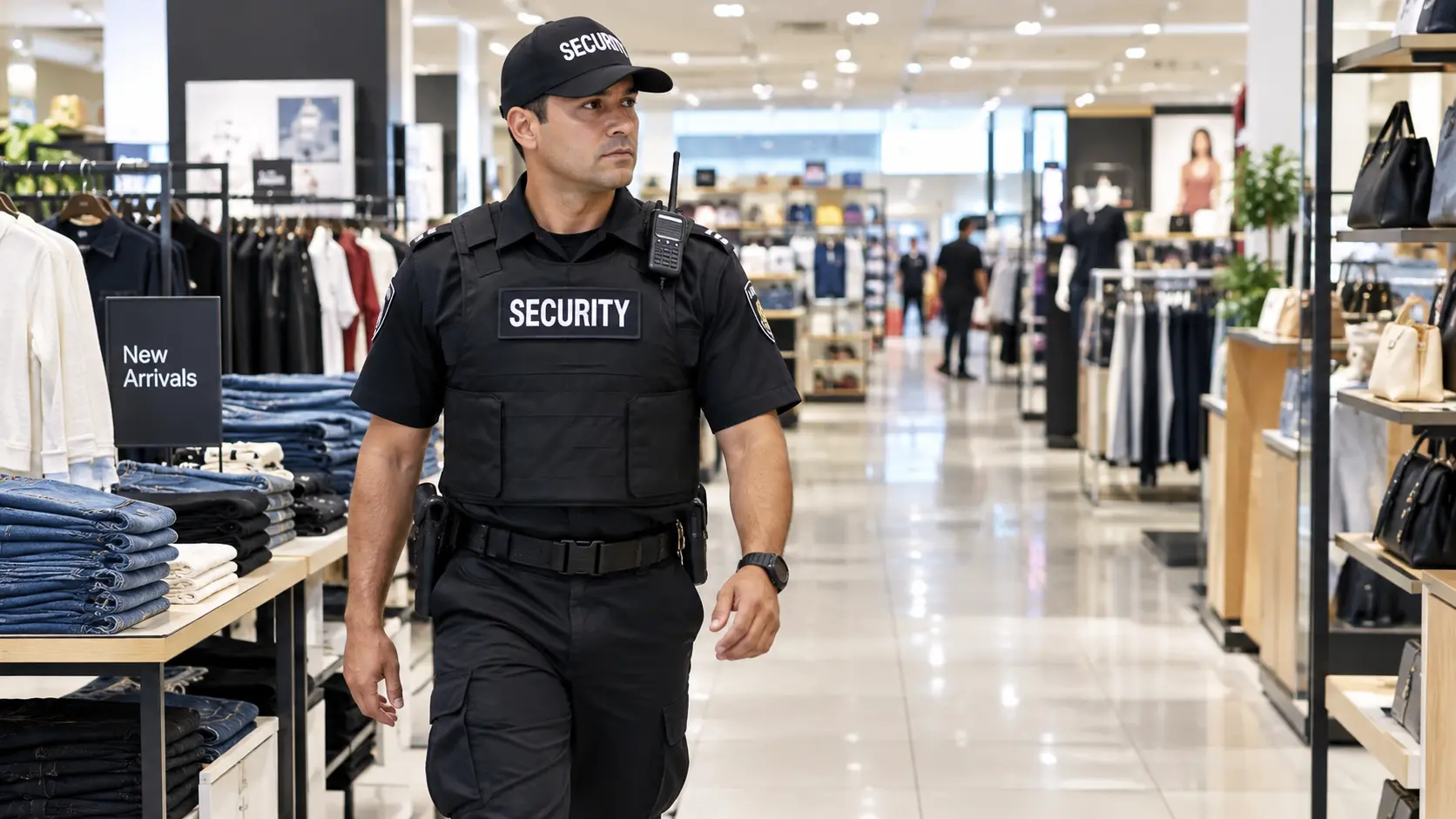
Retail businesses deal with a specific set of security pressures that most other properties don’t face. Inventory sits out in the open. Doors stay unlocked for hours at a time. Employees handle cash, deal with difficult customers, and manage opening and closing procedures with little backup. Add in busy parking areas, high foot traffic, and the occasional after-hours concern, and it’s easy to see why so many store owners and property managers start looking into professional security support.
But hiring retail security guards in Glendale isn’t as simple as bringing someone in to stand near the entrance. The right fit depends on your property, your hours, your risk profile, and what you actually need a guard to do. This article walks through what retail security guards handle day-to-day, the factors worth weighing before you sign a contract, and the questions that separate a well-run security program from a guard who’s just filling a shift.
Why Choosing the Right Retail Security Guards Matters in Glendale
Retail environments don’t operate like office buildings or construction sites, and their security needs shouldn’t be treated the same way. A store has customers moving in and out all day, merchandise that needs to stay accounted for, and staff who are often more focused on sales and service than on watching the door. That combination creates a different kind of security challenge than a property with controlled access and a fixed employee headcount.
Common security challenges for retail businesses
Most retail properties deal with some version of the following:
- Shoplifting and general inventory loss
- Unauthorized individuals entering employee-only or stockroom areas
- Suspicious behavior that staff aren’t trained to address
- Customer and employee safety during confrontational situations
- Monitoring entrances and exits during busy periods
- Parking lot activity, especially in shared shopping center lots
- Vulnerable moments during opening and closing procedures
- Crowd management during sales events or holiday periods
None of this means every Glendale retailer is facing a crisis. It means retail spaces have built-in exposure points that a thoughtful security plan should account for.
Why a generic security plan may not be enough
A small boutique with one entrance has different needs than a multi-tenant shopping center with a shared parking structure. A specialty retailer with high-value merchandise may need a different guard posture than a grocery store focused mainly on customer flow and loss prevention. This is why retail security services in Glendale should be built around the specific property, not applied as a one-size-fits-all package. A provider that asks detailed questions about your layout and operating hours before recommending coverage is usually a better sign than one that quotes a standard package right away.
7 Factors to Consider When Choosing Retail Security Guards in Glendale
1. Check California Security Licensing and Training
Every security guard operating in California is required to hold proper licensing through the Bureau of Security and Investigative Services (BSIS). Before hiring any provider, ask how they verify and maintain guard credentials, and don’t hesitate to confirm licensing status yourself through the official BSIS guard licensing information.
Licensing is the baseline, not the whole picture. Ask about the training guards receive beyond the state minimum, including:
- Observation and reporting skills
- Professional, de-escalation-focused communication
- Emergency response procedures
- Ongoing supervision and performance checks
A guard who’s licensed but poorly supervised can still be a weak link in your security plan. Ask how the company monitors guard performance once someone is placed on-site.
2. Look for Experience in Retail and Shopping Environments
Retail security is a different discipline than guarding a warehouse or a construction site. Guards working in stores and shopping centers need to be comfortable interacting with customers, not just watching for problems.
Experience in retail settings usually shows up in a few practical ways:
- Confident, professional customer-facing presence
- An understanding of common theft deterrence techniques
- Familiarity with monitoring entrances, exits, and inventory areas
- Respect for boundaries around employee-only spaces
- Clear, consistent incident reporting
When you’re comparing retail security guards in Glendale, ask providers directly about their guards’ background in retail-specific assignments rather than assuming all security experience translates equally.
3. Decide Between Armed Guards and Unarmed Guards
This is one of the more consequential decisions in building a security plan, and it should be based on an honest risk assessment rather than a gut feeling either way.
Unarmed guards are typically well suited for:
- Routine retail monitoring and customer-facing presence
- Managing entrances and access points
- General patrols of the sales floor and parking areas
- Situations where the primary need is deterrence and observation
Armed guards may be worth considering when a property assessment points to elevated risk factors, specific client requirements, or circumstances where an armed presence is appropriate under applicable laws and regulations. This isn’t a decision to make casually, and it isn’t one where more force automatically means better security. Armed coverage carries its own training, liability, and regulatory requirements, and it isn’t the right fit for every retail environment. A reputable provider will walk you through the tradeoffs rather than pushing you toward the higher-tier option by default.
4. Ask About Overnight Monitoring Services and After-Hours Coverage
Many retail security concerns don’t happen during business hours. Empty stores, quiet parking lots, and unmonitored loading areas can be more vulnerable overnight than during the day. If your property has after-hours exposure, ask potential providers whether they offer overnight monitoring services and what that actually includes.
Overnight coverage commonly addresses:
- Patrols of the building exterior and parking areas
- Verifying that doors, gates, and access points are secure
- Monitoring for unauthorized entry or suspicious activity
- Supporting opening and closing procedures
- Responding to alarm triggers
- Coverage during weekends and holidays, when retail properties are often less staffed
Not every retail business needs 24/7 coverage. But if your store, shopping center, or commercial property sits empty for long stretches, it’s worth discussing whether overnight or after-hours support makes sense for your situation.
5. Evaluate Communication, Reporting, and Supervision
A guard’s value isn’t just in being present; it’s in what happens when something occurs.
Ask potential providers how they handle:
- Written post orders that clearly define guard responsibilities
- Incident reports and how quickly you’d receive them
- Shift handovers, so nothing gets lost between rotations
- Supervisor check-ins and availability if an issue escalates
- Communication with you as the client, especially outside business hours
Good documentation isn’t just paperwork. It gives you a record if an incident needs to be reviewed later, whether that’s for insurance purposes, law enforcement involvement, or simply understanding a pattern of activity at your property.
6. Confirm Insurance, Contract Terms, and Service Flexibility
Before signing anything, review the practical details that affect your business:
- Confirm the company carries appropriate liability insurance
- Understand the contract length and any minimum hour requirements
- Ask what happens if a guard is unavailable or needs to be replaced
- Clarify cancellation terms and any conditions for adjusting coverage
- Get a clear picture of what’s included in the scope of service and what would trigger additional charges
These details matter more than they seem at first glance. A provider that’s vague about contract terms or reluctant to put commitments in writing is worth a second look before you commit.
7. Request a Site-Specific Security Assessment
A security plan that isn’t based on your actual property is really just a guess. Before finalizing coverage,
ask the provider to walk your site and assess factors like:
- Store or property layout
- Entrances, exits, and access points
- Parking areas and loading zones
- Inventory storage and high-value areas
- Operating hours and staffing patterns
- Existing cameras and alarm systems
- Any known or suspected security concerns
A provider willing to invest time in understanding your property before recommending a plan is generally more trustworthy than one offering a standardized package sight unseen.
What Do Retail Security Guards Do?
Theft deterrence and loss prevention
A visible, professional security presence can discourage opportunistic theft and suspicious behavior simply by being there. Guards trained in observation can also identify patterns, such as repeat visitors behaving unusually, that staff focused on customer service might miss. That said, no guard or security program can guarantee that theft will never happen. The goal is to reduce risk, not eliminate it meaningfully.
Customer and employee safety
Retail staff often aren’t trained to handle confrontational situations, whether that’s an unruly customer, a dispute between shoppers, or a medical emergency. A trained guard can step in with professional communication, apply de-escalation techniques within the scope of their training, flag safety hazards, and contact emergency services when a situation calls for it.
Access control and store monitoring
Guards help manage who goes where, including monitoring main entrances and exits, keeping an eye on delivery and loading areas, and making sure employee-only spaces stay restricted to staff. This extends to closing procedures, where a second set of trained eyes can help confirm the property is properly secured at the end of the day.
Incident reporting and emergency response
When something does happen, proper documentation matters. A well-trained guard doesn’t just react in the moment; they record what occurred, escalate it appropriately, and provide a clear report that you can reference later if needed.
How Much Do Retail Security Guards Cost in Glendale, CA?
There isn’t a single standard rate for retail security, and any provider quoting a flat price without knowing your property should be treated with some skepticism.
Pricing is generally shaped by factors like:
- Whether you need armed or unarmed coverage
- The number of guards required
- Total hours of coverage needed
- Whether overnight or 24/7 coverage is part of the plan
- The size and layout of the property
- Specific guard responsibilities beyond general monitoring
- Contract length and any additional services, such as mobile patrols
Because these variables shift so much from one business to another, the most reliable way to understand your actual cost is to request a customized quote based on your property and needs, rather than comparing advertised rates that may not reflect what your situation actually requires.
Why Businesses Consider Security Base Group for Retail Security in Glendale
Security Base Group provides security guard services in Glendale for retail properties, shopping centers, and commercial businesses across the area. Rather than applying a one-size-fits-all package, the approach centers on understanding a property’s layout, hours, and specific concerns before recommending a coverage plan.
For business owners comparing options, it can help to look at what’s actually offered for retail environments, including guard types, scheduling flexibility, and reporting practices, and weigh that against the factors outlined earlier in this article. You can review available coverage options on the security guard services in Glendale page and determine what fits your property.
Security Base Group is one of several providers serving the Glendale retail market, and like any security company, the right fit depends on your specific requirements rather than a general claim about being the best option available.
Questions to Ask Before Hiring a Retail Security Company
1. Are your security guards licensed in California?
Every guard should hold a valid BSIS license. It’s reasonable to ask a provider how they verify this and to confirm it independently if you’d like extra assurance.
2. Should my retail store hire armed guards or unarmed guards?
This depends on your property’s risk profile, any specific client requirements, and applicable laws and regulations. A proper security assessment should guide this decision rather than a general assumption in either direction.
3. Can retail security guards work overnight?
Yes, when a provider offers overnight or after-hours coverage, and it’s included as part of your service agreement. Not every business needs this, but properties with after-hours exposure often benefit from it.
4. What should a retail security contract include?
At minimum, expect clarity on guard duties, scheduling, reporting procedures, supervision, fees, guard replacement policies, and overall contract terms. Vague contracts tend to lead to vague service.
5. Can security guards help prevent shoplifting?
Security guards can deter suspicious activity, support loss-prevention efforts, and respond appropriately when incidents occur. No provider can honestly guarantee that theft will never happen at your property.
6. How do I request retail security services in Glendale?
The most direct way is to reach out to a provider serving the Glendale area, such as through Security Base Group’s Glendale security guards page, and discuss your property’s specific needs.
Final Checklist for Choosing Retail Security Guards in Glendale
Before signing with a provider, make sure you’ve covered the basics:
- Verify California BSIS licensing and ongoing training
- Confirm the company has real retail security experience
- Determine whether armed or unarmed coverage fits your risk profile
- Discuss overnight or after-hours coverage if your property needs it
- Ask about reporting practices and supervisor availability
- Review insurance coverage and contract terms closely
- Request a site-specific security assessment before committing
- Compare providers on scope of service and qualifications, not price alone
The businesses that end up satisfied with their security provider are usually the ones that took the time to ask these questions upfront, rather than choosing based on whoever responded fastest or quoted the lowest number.
Request Retail Security Services in Glendale, CA
If you’re evaluating retail security guards in Glendale, CA, start by taking stock of your property type, operating hours, and any specific concerns you’ve noticed, whether that’s after-hours vulnerability, high-traffic entrances, or inventory areas that need closer attention. From there, Security Base Group can help you review coverage options, guard types, and scheduling that match what your business actually needs, so you can move forward with a plan built around your property rather than a generic package.


