
Security Planning for Concerts and Festivals: Complete Guide to Safe and Successful Events
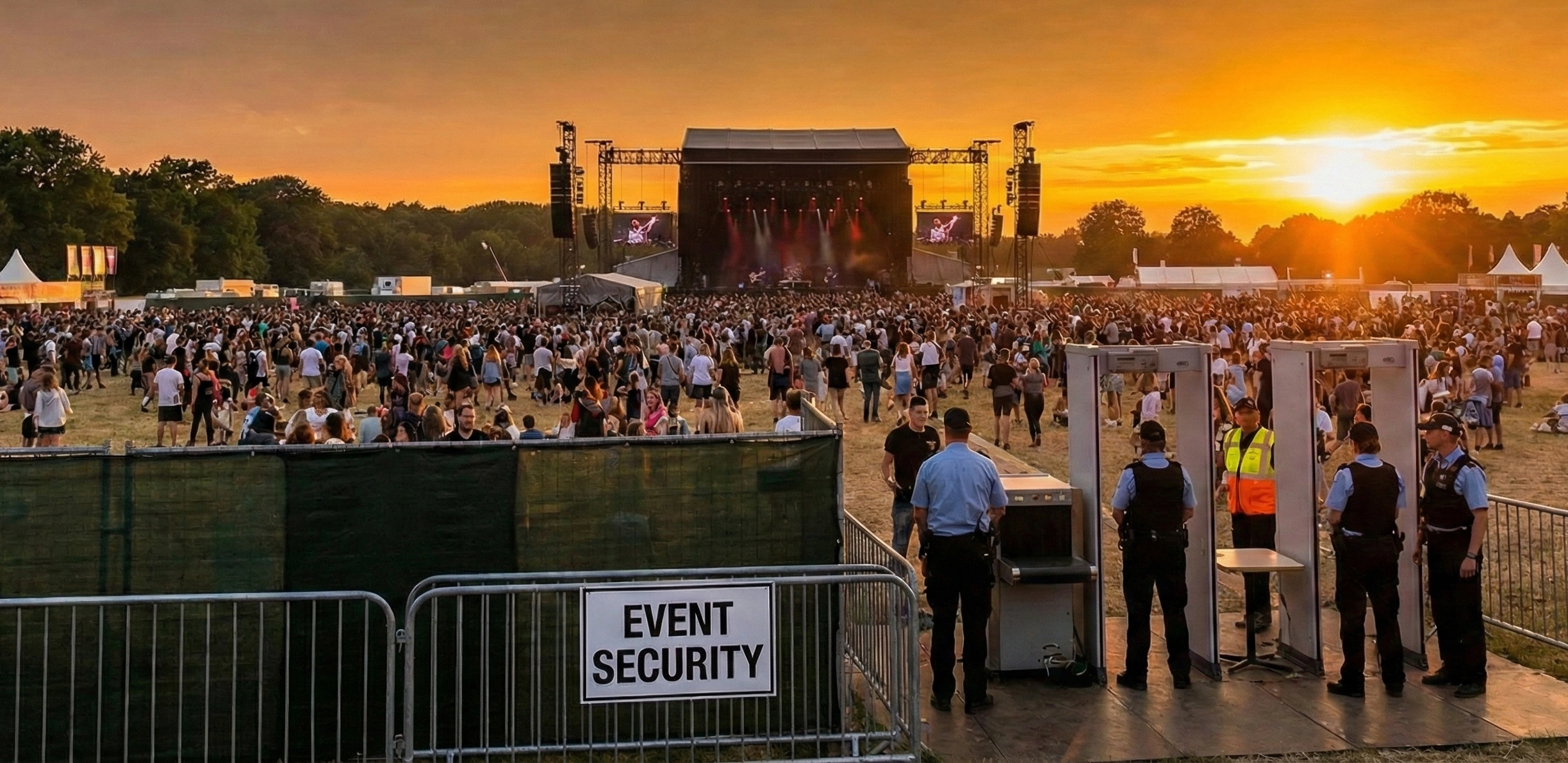
Organizing a concert or a festival can be very exciting, but it is very important to make sure that everyone stays safe. Security planning for concerts and festivals is a way to prevent accidents, manage large groups of people, and make sure that all attendees enjoy the event without problems. Whether it is a small community show or a big music festival, having a complete security plan is very important. This guide will explain everything about security planning, from checking risks to preparing for emergencies, using simple words so anyone can understand.
What Is Security Planning for Concerts and Festivals?
Security planning is the process of organizing all the steps needed to keep people, staff, and property safe during a concert or festival. It is more than just having guards at the entrance. It includes:
- Identifying risks: Knowing what could go wrong, such as crowd surges, theft, or emergencies.
- Crowd management: Planning how people will enter, move around, and leave safely.
- Staffing: Hiring trained security guards and helpers to keep order.
- Emergency planning: Being ready for medical issues, fires, bad weather, or other dangers.
Professional planning is very important because concerts and festivals often have many people in one place. Without proper preparation, accidents can happen quickly. A structured security plan makes sure everything works smoothly.
Why Security Planning Is Critical for Concerts and Large Festivals
Security planning is very important because concerts and festivals can be unpredictable. Some reasons are:
- Crowd safety risks: Large crowds can create problems like stampedes or overcrowding.
- Legal responsibilities: Organizers must follow safety laws and rules.
- Financial risks: Accidents can lead to fines, lawsuits, or canceled events.
- Reputation: Safe events build trust with attendees, while unsafe events can harm reputation.
Examples from past festivals show that careful planning can prevent injuries and disorder.
Key Components of an Effective Concert and Festival Security Plan
Risk Assessment and Threat Identification for Events
Risk assessment means checking what might go wrong. For example:
- Crowded areas near the stage.
- Entrances where unsafe items could come in.
- Spots that might cause accidents, like wet floors or uneven surfaces.
- Emergencies such as medical problems or bad weather.
After risks are identified, the security team makes plans to prevent or reduce them.
Venue Security Layout and Site Safety Planning
Proper layout planning is very important:
- Clear entrances and exits.
- Roads for emergency vehicles.
- Safe areas for staff, performers, and VIPs.
- Locations for security checkpoints and first aid stations.
A well-organized venue helps attendees move safely without crowding.
Access Control and Entry Screening Procedures
Checking people when they enter helps stop unauthorized access:
- Tickets checked and wristbands used.
- Metal detectors to find dangerous items.
- Security guards inspecting bags.
- Different lanes for VIPs, staff, and regular attendees.
This keeps everyone safe and reduces risks.
Crowd Management and Crowd Control Strategies for Festivals
Managing the crowd is very important to prevent accidents:
- Plan crowd flow: Make clear paths for walking and standing areas.
- Prevent overcrowding: Use barriers to control crowded zones.
- Safe entry and exit design: Make sure all gates are wide enough for large groups.
- Monitor busy areas: Security guards should watch crowded areas carefully.
Good crowd management reduces panic and helps everyone have a good time.
Security Staffing for Concerts and Large Events
Roles of Event Security Guards and Supervisors
Security guards have many responsibilities:
- Checking tickets and bags.
- Helping and guiding attendees.
- Responding to emergencies.
- Controlling crowd behavior.
Supervisors manage the team, make quick decisions, and communicate with emergency services.
Training Requirements for Festival Security Teams
Trained staff can stop problems before they become serious:
- Crowd management: Knowing how to guide people safely.
- Conflict resolution: Handling disagreements or fights calmly.
- First aid: Helping people with injuries or medical issues.
- Communication: Using radios and reporting incidents clearly.
Well-trained teams make events safer for everyone.
Using Technology in Concert and Festival Security Planning
CCTV Surveillance and Real-Time Monitoring
Cameras help security teams by:
- Watching the crowd.
- Spotting suspicious behavior.
- Responding quickly to incidents.
Ticket Scanning, Wristbands, and Access Control Systems
Technology improves safety when entering the venue:
- Tickets are scanned digitally to prevent fake entries.
- RFID wristbands to control access zones.
- Metal detectors to stop dangerous items from entering.
Communication Systems for Event Security Teams
Clear communication helps security staff work together:
- Radios for instant messages.
- Central command centers to monitor the event.
- Public announcements give instructions to attendees during emergencies.
Using technology helps staff respond faster and increases safety.
Emergency Response Planning for Concerts and Festivals
Medical Emergency Preparedness and First Aid Stations
- Set up first aid stations where everyone can see them.
- Have trained medical staff on-site.
- Keep supplies for injuries, heatstroke, or dehydration.
- Make sure ambulances can reach the venue easily.
Evacuation Plans and Safe Exit Procedures
- Plan clear evacuation routes.
- Use maps and signs to guide people.
- Practice drills with staff.
- Keep emergency exits unlocked and easy to use.
Handling Severe Weather, Fire, and Security Threats
- Watch weather reports.
- Prepare fire extinguishers and sprinklers.
- Work with the police for security threats.
- Give clear instructions to staff and attendees.
Legal Requirements and Safety Compliance for Event Security
- Obtain all necessary permits and licenses.
- Follow fire safety rules and limit the number of people.
- Keep records for inspections and emergencies.
- Make sure staff understand their legal responsibilities.
Following the rules protects both organizers and attendees.
Working with Local Authorities and Emergency Services
- Work together with police, fire, and medical services.
- Share the security plan for approval.
- Train staff to talk clearly with authorities.
- Practice drills together when possible.
Good teamwork ensures quick responses during emergencies.
Common Security Risks at Concerts and How to Prevent Them
- Overcrowding: Use barriers and keep monitoring.
- Unauthorized access: Check tickets and bags carefully.
- Alcohol-related incidents: Limit alcohol and watch behavior.
- Theft and disorderly conduct: Increase patrols and camera surveillance.
Preventive steps make events safer and more enjoyable.
Post-Event Security Review and Continuous Improvement
- Record all incidents.
- Hold meetings with staff after the event.
- Review what worked and what did not.
- Update security plans for future events.
This helps improve security for the next event.
Frequently Asked Questions About Concert and Festival Security Planning
How many security guards are needed for a concert or festival?
The number depends on the size of the crowd, the layout of the venue, and the type of event. Bigger events require more staff.
What is included in a professional event security plan?
A professional plan includes checking risks, managing the crowd, controlling access, preparing for emergencies, and training staff.
How early should security planning begin for large events?
Planning should start at least three to six months before the event, depending on its size and complexity.
Final Thoughts on Creating a Safe and Well-Planned Concert or Festival
Good security planning helps everyone enjoy a fun and safe experience. By checking risks, training staff, using technology, and working with authorities, organizers can prevent accidents and emergencies. A well-organized festival or concert builds trust, keeps attendees safe, and creates a memorable experience.
If you need professional security help, working with a trusted security guard company in Los Angeles can provide trained staff and expert advice.
 Previous Post

