
How Security Guards Help Local Law Enforcement in High-Risk Situations
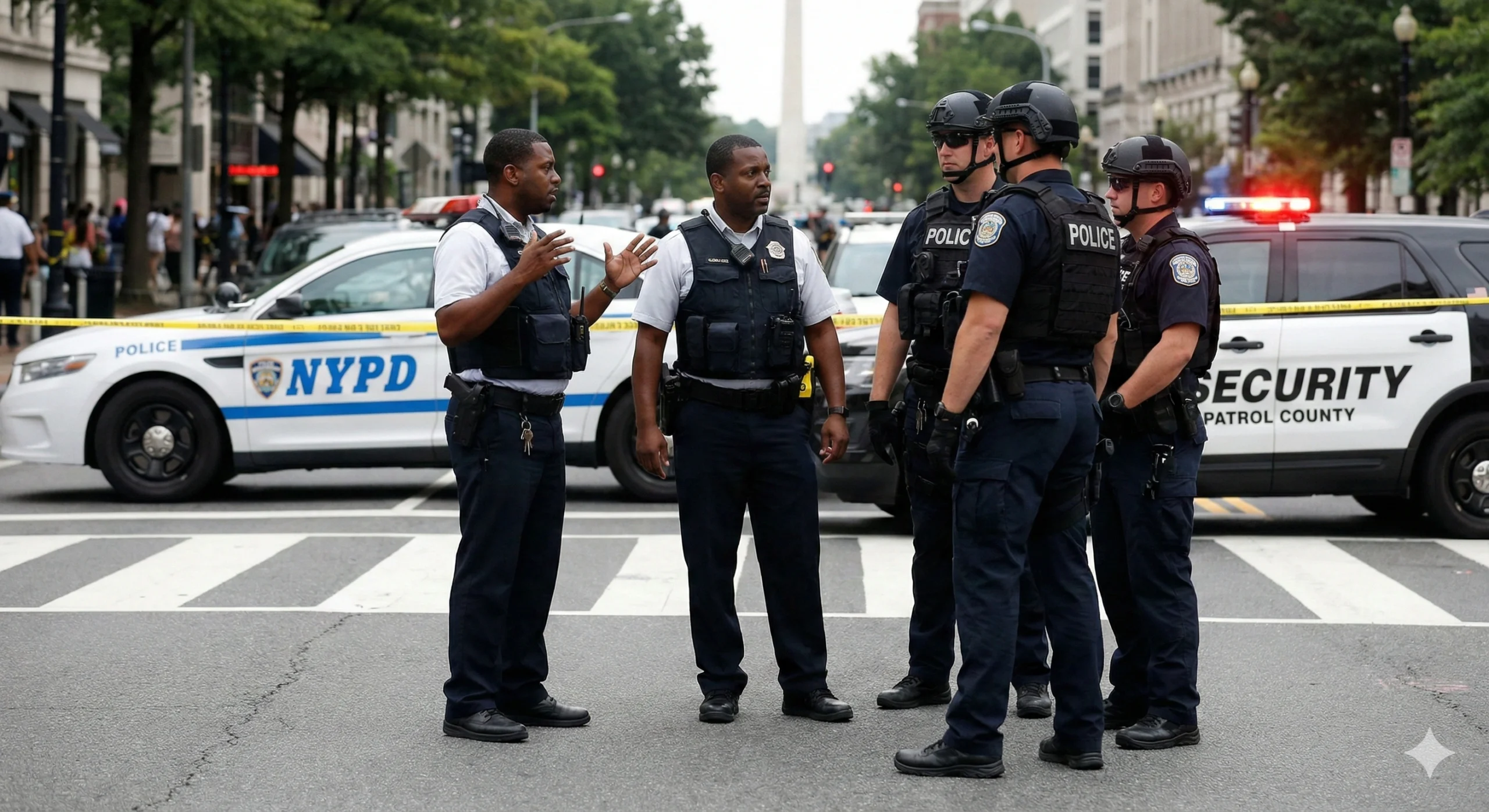
In our world today, keeping people safe is not something that police officers handle alone. Security guards play an important role in protecting people and property, especially in dangerous or high-risk situations. They are present in places like shopping centers, offices, events, and neighborhoods, and are often the first to notice when something is wrong. This is why how security guards help law enforcement is a very important topic in public safety.
Security guards work together with police officers to prevent crimes, manage crowds, and respond quickly in emergencies. This security guard and police cooperation helps reduce risks, keep people safe, and prevent situations from becoming worse. In busy cities like Los Angeles, where many people are present in public spaces, this teamwork is very important. Many businesses rely on a trusted security guard company in Los Angeles to maintain safety before police arrive.
This blog will explain, in simple language, how security guards support local law enforcement in high-risk situations and why this partnership is helpful for everyone.
Understanding the Relationship Between Security Guards and Local Law Enforcement
The connection between security guards and police is based on teamwork and trust. Even though their powers are different, they often work toward the same goal of keeping people safe. The security guards and law enforcement relationship is especially important in areas where police cannot be present all the time.
Security guards serve as extra eyes and ears for law enforcement. They observe, report, and manage situations until police officers arrive. This type of private security and police collaboration allows police to focus on serious crimes while guards handle routine safety issues.
Clear communication and mutual respect make this partnership effective. When both sides know how they support each other, responses to high-risk situations are faster and more organized.
Roles and Responsibilities of Security Guards in Public and Private Spaces
The role of security guards is mainly to prevent problems before they happen. They patrol areas, check entrances, and watch for unusual behavior. The responsibilities of private security guards include:
- Observing people and the environment
- Preventing unauthorized access
- Reporting suspicious actions
- Assisting during emergencies
- Maintaining order in public spaces
In offices, malls, hospitals, and events, guards help keep the peace and safety. Simply having guards present can stop problems before they occur.
How Law Enforcement Agencies Differ From Private Security Services
The difference between security guards and police is mostly about legal authority. Police officers can arrest people, investigate crimes, and enforce the law. Private security vs law enforcement roles differ because guards focus on protection and support rather than enforcing laws.
Security guards must call the police when serious crimes happen. They assist police work but do not replace it. Keeping these roles separate ensures that actions are legal and correct.
Why Security Guards Are Critical in High-Risk Situations
High-risk situations can happen at any time and in any place. These include violent events, fires, medical emergencies, or situations where large crowds are out of control. Security guards in high-risk situations help control the situation until police arrive.
Since guards are already on location, they can act faster than emergency responders. Their quick reactions are part of emergency security services that help reduce confusion and panic.
Defining High-Risk Situations in Modern Security Environments
High-risk security situations include:
- Threats of violence or attacks
- Risks of fires or explosions
- Crowds that are difficult to manage
- Natural disasters
- Medical emergencies
These emergency security scenarios require guards to stay calm and make quick decisions to keep people safe.
Growing Demand for Security Guard and Police Collaboration
Because police resources are limited, police and private security cooperation has become very important. Guards handle minor issues so that police can focus on serious crimes. This law enforcement resource support makes communities safer and more secure.
Security Guards as First Responders Before Law Enforcement Arrives
Security guards are often the first people to respond to an incident. This makes security guards, as first responders, a key part of emergency planning. Their quick actions can save lives before police or medical teams arrive.
Emergency response security guards follow careful steps to manage situations safely and calmly.
Early Threat Detection and Situational Awareness
Threat detection by security guards begins with careful observation. Guards are trained to notice:
- Unusual or suspicious behavior
- Items that seem out of place
- Signs of stress or aggressive actions
This situational awareness security allows them to address problems early.
Immediate Incident Reporting and Communication With Police
Clear reporting is essential. Security guard incident reporting provides information such as location, time, and level of risk. Effective communication with law enforcement ensures that police are prepared before arriving on the scene.
How Security Guards Assist Law Enforcement During Active High-Risk Events
During emergencies, guards actively help police by managing the situation. This demonstrates how security guards assist police in real-time. Their security support during emergencies keeps things organized and reduces disorder.
Crowd Control and Public Safety Management
Crowd control security guards help guide people safely. They:
- Direct crowds away from danger
- Prevent panic from spreading
- Keep paths clear for emergency responders
This public safety management helps protect both civilians and police.
Securing Perimeters and Controlling Access Points
Perimeter security support prevents people from entering restricted areas. Guards manage access control in emergencies so that police can focus on immediate threats.
Supporting Law Enforcement With Intelligence, Surveillance, and Evidence Protection
Security guards assist by collecting and protecting information. Security guards’ surveillance support strengthens police work through security intelligence sharing.
Monitoring, CCTV Operations, and Real-Time Intelligence Sharing
Through CCTV monitoring, security guards record incidents and share real-time security intelligence with the police.
Preserving Evidence and Protecting Crime Scenes
Crime scene protection by security guards ensures that evidence remains intact for police investigations. Evidence preservation prevents contamination or tampering.
Role of Security Guards in Emergency Response and Evacuation Coordination
Emergency response security guards help people evacuate safely during dangerous situations. Their evacuation support security minimizes injuries and confusion.
Managing Evacuations During Fires, Threats, and Disasters
Emergency evacuation security guards lead people calmly to safety during disaster response security situations.
Coordinating With Police and Emergency Services On-Site
Effective security guard coordination with police improves emergency services collaboration and ensures smoother operations.
Training and Preparedness That Enable Effective Police Support
Proper training makes security guards dependable helpers. Security guard training for emergencies prepares them to respond to real-life threats confidently.
Scenario-Based Training for High-Risk Situations
High-risk security training and emergency response drills improve the readiness of security guards.
Communication, De-Escalation, and Crisis Management Skills
De-escalation training security guards use crisis management security techniques to handle tense situations calmly and effectively.
Legal Boundaries and Ethical Responsibilities When Assisting Law Enforcement
Knowing the legal limits of security guards protects everyone involved. Security guard authority is restricted by law.
What Security Guards Can and Cannot Do During Police Operations
Security guard legal authority and private security legal limits clearly define what guards are allowed to do and what actions require police intervention.
Protecting Civil Rights and Following Lawful Procedures
Ethical responsibilities of security guards include following lawful security practices and respecting the rights of all individuals.
Real-World Scenarios Where Security Guards Support Local Law Enforcement
Real-life examples demonstrate security guards assisting police and real-world security support in action.
Large Events, Commercial Properties, and High-Traffic Locations
Event security, police cooperation, and commercial security support help maintain safety for attendees and employees.
Emergency Incidents in Residential and Urban Areas
Residential security emergencies and urban security guard support protect neighborhoods and city areas during incidents.
How Security Guard and Law Enforcement Collaboration Improves Public Safety
Working together improves public safety and security guards’ performance, and highlights the police and private security benefits.
Faster Response Times and Reduced Risk to Civilians
Quick actions by guards and police can save lives and prevent injuries.
Allowing Police to Focus on Critical Law Enforcement Duties
This partnership allows police to concentrate on serious crimes while guards handle other safety tasks.
Conclusion: The Growing Importance of Security Guards in Supporting Law Enforcement
The importance of security guards is increasing every year. The future of security and law enforcement collaboration depends on strong teamwork and clear communication. In busy cities, reliable security guard companies support police officers daily. Businesses that use trusted security services and focus on security benefit from this partnership.
When security guards and police work together, communities become safer, calmer, and better prepared for emergencies.
Frequently Asked Questions About Security Guards and Law Enforcement Support
Do Security Guards Have the Same Authority as Police Officers?
No, security guards have limited authority. They must contact the police when serious crimes occur.
When Should Security Guards Hand Over Control to Law Enforcement?
Security guards should hand over control immediately when police arrive at the scene.
Are Security Guards Trained for High-Risk Situations?
Yes, many security guards receive training in emergency response, crowd management, and crises.
 Previous Post
 Next Post

